
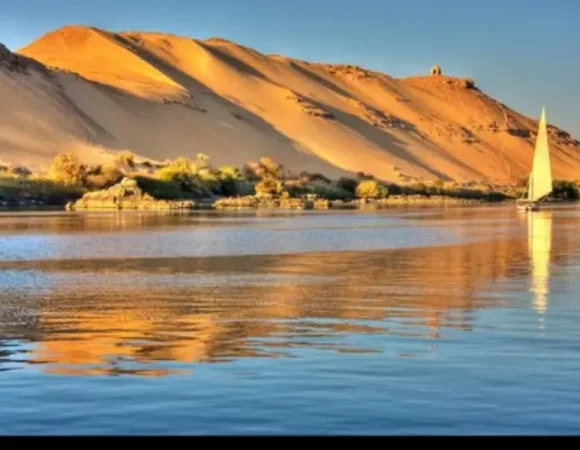
What is Siwa Oasis?
Siwa Oasis is an oasis that is rich in depression, set amid the desert of very long dunes and desolate terrain. It is a lush paradise with salt lakes, olive trees, and date palm trees. Despite being very remote, it has freshwater springs. It is the hometown of the native people called Siwan, who retained their Berber origins and cultures.Where is Siwa Oasis Located?
Siwa Oasis is located in the Western Desert of Egypt, about 50 kilometers east of the Libyan border and nearly 560 kilometers southwest of Cairo. Its remoteness is part of its charm, as the oasis is nestled far from the crowded tourist hubs of Egypt. For travelers beginning their journey in the capital, a Cairo day trip is often the starting point before venturing westward into the desert.Where is Siwa Oasis Located on the Map?
On a map, you’ll find Siwa Oasis positioned between the Qattara Depression and the Great Sand Sea. It is one of the most isolated oases in Egypt, making it both difficult and rewarding to reach. The oasis sits approximately 25 meters below sea level, giving it a distinctive geographic identity. Many explorers combine Siwa with adventures such as the Desert Oasis Explorer 4 Days trip to experience the desert’s hidden beauty.
History of Siwa Oasis
The Oasis of Siwa has as much history behind it as much a mystery, as the desert ecology that surrounds it. This is a hidden gem of a location, located in the Western Desert of Egypt, only 50 kilometers away, on the border of Libya, and serves as a place of cultural exchange, along with the camp of life surrounded by dunes. History lovers often combine Siwa with tours such as the Discover the Wonders of Ancient Egypt.Ancient Times:
The history of Siwa dates back several thousand years to human habitation in the Paleolithic era. It rose particularly as the great cult center in the Pharaonic period, at the time of the Oracle of Amun at the Temple of Amun. This oracle was so influential that Alexander the Great also came to Siwa in 331 BCE to consult it and to be told that he was divine and the son of Zeus-Ammon. This incident entrenched Siwa into the history of ancient periods, and it is associated with the Egyptian and Greek legacies. Visitors can experience such legacies on trips like the Pharaohs’ Journey.Cultural Uniqueness:
As opposed to most other Egyptian locations, when you Visit Egypt, you will see that Siwa has formed its unique identity thanks to its isolation. The people living here, the so-called Siwans, speak their own Berber language called Siwi, which makes their culture and language distinct compared to the majority of the inhabitants of Egypt, who speak Arabic. This isolation enabled Daqween to maintain ancient traditions, crafts, and practices that in many ways remained unaffected by foreign influence for centuries. For travelers interested in culture, the Islamic Cairo Heritage Tour 3 Days offers another glimpse into Egypt’s diverse heritage.Medieval Periods and Islamic Periods:
In the medieval Islamic world, Siwa was fairly isolated, but it slowly became absorbed into the Egyptian and North African cultural whole. Strong villages such as the renowned Shali Fortress, constructed in the 13th century were built using kershef (salt and mud) in order to safeguard the village people against invaders and the hot desert atmosphere. Visitors who want to see historical fortresses often also enjoy the Coptic Day Tour. Modern Era:In more recent history, Siwa was only fully connected to the rest of Egypt in the 20th century with the introduction of modern roads and infrastructure. Despite modernization, the oasis retains its ancient charm and authenticity, balancing its heritage with the growing interest of visitors and scholars who come to explore its ruins, springs, and cultural traditions. This balance of modern and ancient can also be experienced on tours like Egypt in Style.
Today, Siwa Oasis is not only a historical site but also a living testament to the endurance of culture in isolation, offering visitors a glimpse into one of the most unique corners of Egypt’s heritage. Cultural journeys such as the Ramadan in Egypt Cultural Experience 7 Days echo this same immersion.
Also read about: the salt lake siwa oasis
Top Siwa Oasis Local Attractions- Temple of the Oracle of Amun
- Cleopatra’s Spring (Ain al Hammam)
- Shali Fortress – a ruined mud-brick citadel in the heart of Siwa
- Fatnas Island for stunning sunset views
- Siwa Salt Lakes, where you can float effortlessly
- Mountain of the Dead – ancient rock tombs
- Great Sand Sea dunes for desert safaris
Why Siwa Oasis Should Be on Your Bucket List?
Siwa Oasis is not a typical travel destination, but one which unites the past, the culture, and the beauty of nature to create an experience which is something that people will never forget. To people who want more than a regular tourist destination, here are the reasons why you should put Siwa on your travel list:- A piece of Ancient History in the Flesh
- Exclusive Berber Culture
The local people of Siwa have had a unique Amazigh (Berber) identity over the centuries. There is a rare cultural immersion that is found in Egypt because of the use of the local language, Siwi, and the ancient traditions. Tourists are provided with the opportunity to view the real customs, traditional crafts, and friendly welcoming anywhere in the country.
- Desert Wonders of Nature
- The Two Worlds
- Green Tourism and Real Tourism
Siwa is a sustainable tourist destination, unlike the busy tourist cities in Egypt. Most of its eco-lodges and hotels are constructed of traditional materials such as kershef (mud and salt), which are harmonized to the natural landscape. This makes it such a real and nature-friendly way of traveling.
- Healing and Spiritual Retreat
Other than its scenic attractions, Siwa is also a place where many travellers go to reflect and heal. Having all the desert silence complimented by the relaxing waters in the oasis itself makes the place an ideal place to be able to relax, self-discover and find inner peace.
Also read about: white oasis Egypt
The Weather at Siwa Oasis
The climate that Siwa is subjected to is a desert:- During summers, it is very hot and temperatures can go beyond 40 o C (104 o F).
- Winter is the moderately comfortable season with a temperature of 78F (64) in the daytime.
- The nights also turn especially cold particularly when it comes to winter.
Best Time to Go to Siwa Oasis
The best time to visit Siwa Oasis is October to April, when temperatures are cooler and sightseeing is more comfortable. Spring and autumn are especially pleasant for outdoor activities like desert safaris and swimming in the salt lakes.What is Siwa Oasis Famous For?
-
-
Ancient Oracle Temple of Amun
-
Natural hot and cold springs
-
Salt lakes with healing properties
-
Shali Fortress and traditional mud-brick architecture
-
Unique Siwan culture and Berber heritage
-
Dates and olives, considered among the best in Egypt
Also read about: crystal mountain Egypt white desert
-
How to Get to Siwa?
-
By Bus: Several buses run from Cairo, Alexandria, and Marsa Matruh to Siwa. The journey can take 8–10 hours.
-
By Car: Renting a car or joining a guided tour is also an option, though the desert roads are long and isolated.
-
By Air: There is no direct airport in Siwa. The nearest airport is in Marsa Matruh, followed by a road trip to Siwa.
Can You Swim in Siwa Oasis?
Yes, you can! Siwa is famous for its salt lakes and natural springs, where swimming is a highlight. The salt lakes are so buoyant that you float without effort, similar to the Dead Sea.About Siwa Culture
The landscapes are not the only thing this oasis is well-known by: the culture is so particular and deep-submerged. The Siwa has developed its own way of life influenced by historic isolation in Western desert and bearing the Berber features which are combined with local peculiarities and Islamic influences since the centuries.- The Siwan People
The Berbers of North Africa are the ancestors of the inhabitants of Siwa who are referred to as Siwans. They speak the Siwi (or Siwan Berber) language which is still well used with Arabic so it was a relatively rare success. They are one of the few areas in Egypt where an indigenous Berber language has remained. This kind of linguistic and cultural identity distinguishes the community and makes it more connected to Amazigh heritage.
- Traditional Clothing
- Arts and Crafts
- Parties and Holidays
- Buildings and lifestyle.
- Spirital and Social Values
How Long Should You Stay in Siwa?
A 3–4 day trip is ideal for exploring the oasis comfortably. This allows time for visiting the main attractions, enjoying a desert safari, and experiencing the slower pace of Siwan life.How Did Siwa Get Its Name?
The name “Siwa” is believed to have Berber origins, possibly derived from the ancient Egyptian word “Sekhet-Amun,” meaning the “Field of Amun.” This highlights the area’s historical association with the Amun cult.Geological and Biological Diversity in Siwa
Siwa is below sea level in a geological depression and is surrounded by the sand dunes and salt formations. It has a rich biodiversity, regular seasonal birds and rare desert plants, date palms, olive groves and other rare desert wildlife.The Health Benefits of Siwa Oasis
Siwa is renowned for its natural healing:-
Salt lakes and hot springs are believed to treat skin and joint conditions.
-
Sand baths in the desert are popular for relieving rheumatism and arthritis.
-
The clean, dry desert air is beneficial for respiratory health.
Camping in the Desert of Siwa
Camping in the Great Sand Sea near Siwa is a must-do experience. Travelers enjoy stargazing, traditional Bedouin meals, and the silence of the desert. Guided tours provide safe and memorable camping adventures.How Far is Siwa from Cairo?
Siwa Oasis is approximately 560 kilometers (350 miles) from Cairo. The drive can take 9–10 hours depending on the route, and many travelers combine it with Cairo highlights.Relations with the Bedouins
The Siwan people maintain friendly ties with neighboring Bedouin tribes. Trade, cultural exchanges, and shared desert traditions strengthen these relations, adding to the oasis’s rich cultural tapestry.Things to Know Before Visiting Siwa Oasis
- Internet and mobile connectivity are limited.
- Cash is essential, as ATMs are rare.
- Dress modestly to respect local traditions.
- Siwa is a conservative community, so cultural sensitivity is important.
- Be prepared for long travel times to reach the oasis.