What Egypt is Known For?
- Old Civilization and Pharaohs
- The Pyramids and the Great Sphinx
- The Nile River
- Hieroglyphics and Writing
- Religion and Mythology
- Art and Architecture
What Language is Spoken in Egypt?
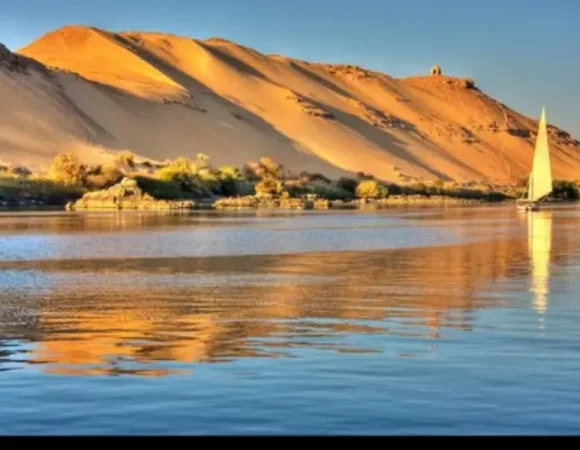
Arabic holds the unique position of being the formal language of Egypt; The Egyptian dialect in its local form is very different from Modern Standard Arabic (MSA), which, for the most part among the locals, is generally used for formal occasions, for education, and media use. Given the influence of Egyptian films and television, this is one of the most recognized accents throughout the Arab world. English and French are common, particularly in cities and among educated people. Many Egyptians working in tourism, business, and academia are fluent in English, but French is also taught in schools, mostly old ones from French-speaking countries. Egypt has minority languages, and the Coptic language is an offshoot of ancient Egyptian, still used by the Coptics in church services. Nubian is spoken by people living in the southern part of the country, particularly in areas such Aswan along the Nile.Religion and Spirituality
All dominations in Egyptian culture and daily life continue to play a fundamental role. Most Egyptians are Muslims, as Islam is the dominant religion in the country. Egypt can boast of a long and rich Islamic heritage, historic mosques, religious schools, and institutions linking the country to forms of the cultural and spiritual landscape. Christianity is also present in Egypt, with the largest denomination being the Coptic Orthodox Church. The Copts celebrate their religious traditions, deeply rooted in Egyptian society. The present Christianity in Egypt was initiated from the first century AD; hence, one of the older Christian communities in the world. Religious values have a direct influence on some traditions, holidays, and social customs of Egypt. Daily routines for many Egyptians are defined by prayer times, while the observance of religious occasions like Ramadan and Coptic Christmas is shared by almost all.Egyptian Traditions and Celebrations
Traditions and celebrations in Egypt are deeply rooted in the background of the land, if you visit Egypt at any time of the year maybe you can attend one of them. weaving time-honored customs with Islamic, Coptic Christian, and modern influences. These traditions symbolize the cultural mosaic and social fabric of Egypt. The following is a detailed account of some of the most important traditions and celebrations in Egypt: 1- Religious Events In their own right, religious festivals have special significance in Egypt as celebrations filled with the Islamic and Coptic heritage of the land. Islamic Festivals- Eid al-Fitr: The families gather together for festivities and gift-giving at the end of fasting and giving of charity to the poor. Such a joyful occasion must call for special sweets like kahk (cookies).
- Eid al-Adha: "Festival of Sacrifice," commemorating the day when Ibrahim (Abraham) was willing to sacrifice his son (valid in terms of ancient Egyptian lore). On that day a sheep or goat is slaughtered and parts are given among relatives as well as the needy.
- Mawlid al-Nabi: The commemorating day of the birth of the Prophet Muhammad. The streets are then decorated with chains of colored lights. Singing religious songs is mixed with folklores.
- Ramadan: The holy month devoted to fasting from dawn to sunset, superfluous prayers, communal prayers, and family iftar dinners. Streets are glittering with the fanoos lanterns, and various special cuisines command the guest's attention, like qatayef-stuffed pancakes.
- Coptic Orthodox Christians celebrate Christmas on January 7, doing so with a midnight mass, gifts, and a lot of food, especially fata: rice and bread soaked in garlic and meat.
- Easter (Sham El-Nessim): An ancient spring festival celebrated by some Egyptian Christians and Muslims. Families go on picnics and eat feseekh (fermented fish) and dye eggs.
- Feast of the Virgin Mary: This is celebrated in August: pilgrimages oriented toward churches and monasteries dedicated to the Virgin Mary, most prominently to the Hanging Church in Cairo.
- Sham El-Nessim- This spring festival is celebrated at the time of ancient Egypt, marking the beginning of the harvest season. It is celebrated with camping and traditional foods, put up with family members in outdoor activities.
- Wepet Renpet (Ancient Egyptian New Year): The ancient Egyptian New Year is no longer celebrated. but was associated with the annual rising of the Nile, and it was a time of quiet renewal and feasting.
- Egyptian marriages are quite lively and elaborate, often lasting several days. Few noteworthy customs include:
- Henna Night (Laylat al-Henna): In the pre-wedding festivity, designs in the henna are applied on the bride's hands and feet.
- Zaffa: A kind of a joyous marriage parade employs an orchestra in which the sound is usually produced by drumming and dancing. It is sometimes led by a belly dancer or tanoura performer.
- Gold Jewelry: Another gift to the bride is gold, representing wealth and prosperity.
- Feast: There is a huge banquet, which includes, among other things, dishes such as molokhia, mahshi (stuffed vegetables), and kebab.
- Sebou': The seventh day after the birth of a child is a day of celebration. Family and friends gather to bless the baby, who is placed in a sieve and shaken gently to chase away evil spirits. Traditional foods offered include mulukhiya and kishk.
- A Postnatal Aqiqah ceremony consists of making a sacrifice as per Islamic law by sacrificing a goat or sheep. Some of the meat is given to those in need; the baby's hair is shaved, and an amount equivalent to the weight of the hair is given to the poor in gold or silver.
- Funeral ceremonies in Egypt are integrated with religious practices. Muslims are usually buried as soon as possible, quite often within 24 hours.
- Mourning lasts for 40 days, and family and friends get together to honor the deceased.
- The funeral rites for the Coptic Christians also involve prayers and hymns, lasting a period of 40 days, after which a memorial service is held.
- Evil Eye (Nazar): Many Egyptians are convinced of the evil eye's power, and they wear blue-green beads and other protective amulets like the Hand of Fatima.
- Coffee Cup Reading: A common activity in which the patterns left in coffee are somehow deciphered to reveal a person's fortunes.
- Family Lunch on Fridays: Family gatherings on Friday, a day of peace that all Egyptians cherish, see large family lunches usually held at midday.
- Every year, July 23 commemorates Egyptian National Day, which was initiated in celebration of the July Revolution of 1952, which brought into being the Republic of Egypt.
- Sinai Liberation Day: April 25 signifies the full withdrawal of Israeli forces from Sinai Peninsula in 1982.Moulids such as Saint Festivals, feature the different and multicolored celebrations for Islamic and Coptic saints.
- The most famous of them is the Moulid of Sayyidna al-Hussein in Cairo where people hold a merry-making high life with lots of music and dancing, street vendors marching in.
Ancient Egyptian Festivals and Celebrations
The purpose of ancient Egyptian festivals was to pay homage to the various divinities, including major events in the agricultural cycle. Some of the prominent ancient Egyptian celebrations were:- Opet Festival: A grand procession held in Thebes for the purpose of honoring Amun.
- Wepet Renpet: The New Year Festival. It was celebrated with feasting and general offerings.
- The Beautiful Feast of the Valley: A time to honor the dead and to visit the tombs with offerings.
- Festival of Hathor: A festive occasion in honor of the goddess of love, music, and joy.
What is Considered Rude in Egypt: Cultural Etiquette
Politeness and hospitality are perhaps the most important qualities to Egyptians. Actions that may be interpreted as rude include:- Eating with or giving someone something with the left hand.
- Public displays of affection, especially in conservative areas.
- Refusal of offered food or drink without polite insistence.
- Pointing soles at someone as a sign of contempt.
- Speaking loudly or provokingly in public.
- Taking pictures of people without their permission, mostly of women.
What is an Important Holiday That is Celebrated in Egypt?
Fitr begins to meet with an official holiday in Egypt for the termination of the holy month of Ramadan. More of a celebration, together with family reunions, Egyptians prepare hakka Spreading and sweets; children can put on brand-new outfits and receive gifts.What is the Name of the Money Used in Egypt?
Egyptians use an Egyptian currency-the Egyptian Pound (EGP);-as far as what it is called in Arabic, it is called "Geneh."When is Ramadan Celebrated in Egypt?
Reflecting on the Islamic lunar calendar, Ramadan is the ninth month. Hence, its date changes yearly; the month in which Muslims generally observe fast from dawn till dusk on a daily Ramadan Celebration in Egypt1. Fasting (Sawm)
- During Ramadan, Muslims fast from dawn (Fajr) until sunset (Maghrib), abstaining from food, drink, and other physical needs. The fast is broken each evening with a meal called Iftar.
- Fasting is not only a physical act but also a spiritual practice, encouraging self-discipline, empathy for the less fortunate, and a deeper connection to God.
2. Iftar (Breaking the Fast)
- Iftar is a highly anticipated moment each day, marked by a festive meal shared with family and friends. Traditional Egyptian dishes are central to the Iftar table, including:
- Soups: Lentil soup or molokhia (a green leafy soup) are common starters.
- Main Dishes: Mahshi (stuffed vegetables), kebab, kofta, and fatta (a dish made with rice, bread, and meat) are popular.
- Desserts: Qatayef (stuffed pancakes), kunafa, and basbousa are Ramadan favorites.
- Dates and water are traditionally the first items consumed to break the fast, following the example of the Prophet Muhammad.
3. Suhoor (Pre-Dawn Meal)
- Before dawn, Egyptians wake up for Suhoor, a light meal to prepare for the day of fasting. Common Suhoor foods include:
- Ful medames (mashed fava beans).
- Eggs, cheese, and yogurt.
- Tea or laban (yogurt drink) to stay hydrated.
4. Ramadan Lanterns (Fanoos)
- The fanoos (lantern) is a iconic symbol of Ramadan in Egypt. Colorful lanterns decorate streets, homes, and shops, creating a festive atmosphere.
- The tradition of lanterns dates back to the Fatimid era and is deeply ingrained in Egyptian culture. Children often carry small lanterns and sing traditional Ramadan songs.
5. Taraweeh Prayers
- Special nightly prayers called Taraweeh are held in mosques throughout Ramadan. These prayers involve reciting long portions of the Quran and are a time for spiritual reflection and community bonding.
- The Hussein Mosque in Cairo and other historic mosques are particularly popular for Taraweeh prayers.
- Quran Recitation and Religious Activities
- Ramadan is a time for increased devotion and Quran recitation. Many Egyptians aim to complete the entire Quran during the month.
- Religious lectures and programs are broadcast on TV and radio, featuring prominent Islamic scholars.
7. Charity and Generosity (Zakat and Sadaqah)
- Ramadan emphasizes charity and helping those in need. Many Egyptians donate to the poor, distribute food packages, or host communal Iftar meals for the less fortunate.
- Zakat al-Fitr, a form of charity given at the end of Ramadan, ensures that everyone can celebrate Eid al-Fitr.
8. Street Festivities and Nightlife
- After Iftar, Egyptian streets come alive with activity. People gather in cafes, parks, and public spaces to socialize and enjoy the cool evening air.
- Tents and Ramadan tables are set up in neighborhoods, offering free Iftar meals to passersby.
- Traditional music, storytelling, and performances add to the festive atmosphere.
9. Ramadan TV Series and Entertainment
- Egyptian television plays a central role during Ramadan, with special programming that includes:
- Dramatic Series (Mosalsalat): High-budget TV series are released exclusively during Ramadan, attracting millions of viewers.
- Comedy Shows: Lighthearted programs provide entertainment after Iftar.
- Religious Programs: Shows featuring Quran recitation, religious discussions, and spiritual guidance are also popular.
10. Traditional Ramadan Drinks
- Special beverages are enjoyed during Ramadan to help with hydration and refreshment:
- Karkade: A hibiscus tea served hot or cold.
- Qamar al-Din: A sweet apricot juice.
- Sobia: A creamy drink made from coconut or rice.
11. Eid al-Fitr Preparations
- As Ramadan comes to an end, Egyptians prepare for Eid al-Fitr, a three-day festival marking the end of fasting. Preparations include:
- Buying new clothes, especially for children.
- Baking kahk (traditional cookies filled with dates or nuts).
- Decorating homes and streets.
12. Community Spirit
- Ramadan fosters a strong sense of community in Egypt. Families, friends, and neighbors come together to share meals, prayers, and celebrations.
- Even non-Muslims often participate in the festivities, enjoying the cultural and social aspects of Ramadan.
13. Unique Egyptian Ramadan Traditions
- Mesaharati: A traditional figure who walks through neighborhoods before dawn, beating a drum and chanting to wake people up for Suhoor.
- Fanous Songs: Children sing traditional songs while carrying their lanterns, adding to the festive spirit.
14. Economic and Social Impact
- Ramadan is a peak time for shopping and economic activity in Egypt. Markets and malls are bustling as people buy food, clothes, and gifts.
- Businesses often extend their hours into the night to accommodate the shift in daily routines.