A Brief History of Alexandria
- Foundation and Early History (331 BCE-30BCE)
- Alexander the Great Founded Alexandria: In 331 BC, Alexandra was founded by Alexander the Great, who looked upon it as a bridge between Greece and the prosperous Nile Valley. The city was planned by the architect Dinocrates and soon became a major city of Hellenistic civilization.
- Ptolemaic Dynasty: After Alexander's death, his general Ptolemy I Soter took power in Egypt and founded the Ptolemaic Dynasty. Alexandria became the capital of Ptolemaic Egypt and a center of learning and culture.
- Lighthouse of Alexandria: One of the Seven Wonders of the Ancient World, the Lighthouse (Pharos) was erected during the reign of Ptolemy II Philadelphus. Considered an ancient engineering wonder, it was at the same time a symbol of the city's greatness.
- Library of Alexandria: The Great Library of Alexandria was instituted to be the repository of all the knowledge in the world. It attracted scholars, scientists, and philosophers from all across the Mediterranean, making Alexandria a center of intellectual vibrancy.
- Roman and Byzantine Periods (30 BCE-641 CE)
- Roman Annexation: In 30 BCE, after the defeat of Cleopatra VII and Mark Antony by Octavian (later Augustus), Egypt became a Roman province. Alexandria continued to thrive as a major economic and cultural center.
- Christianity: Alexandria played an important role in the spread of Christianity. It was home to eminent Christian theologians, such as Origen and Athenasius, and was a center of early Christian scholarly activity.
- Byzantine Era: After the division of the Roman Empire, Alexandria remained an important city within the Byzantine Empire, but it encountered much religious strife and periods of decline.
- Islamic Conquest and Medieval Period (641 CE-1517 CE)
- Arab Conquest: In 641 CE, the Arab general Amr ibn al-As captured Alexandria. The city lost its significance as the new Arab rulers made Fustat (later Cairo) their capital.
- Medieval Decline: The significance of Alexandria dimmed through the ages. By this time, the once-great Library of Alexandria was already destroyed, and the city lay a shadow of its former self.
- Ottoman Rule (1517 CE-1798 CE)
- Ottoman Empire: Alexandria became part of the Ottoman Empire in 1517. During this period, the city was relatively quiet and saw little development when compared to its earlier grandeur.
- Expedition of Napoleon: The expedition of Napoleon Bonaparte to Egypt re-introduced Alexandria to the world in 1798. Though short-lived, the French occupancy opened the way for European interest in Egypt again.
- Muhammad Ali entrusted Alexandria with modernization in the early nineteenth century, the port of the city revived and turned into an important commercial hub.
- British Importation: The city was subject to a lot of European influence, especially British, in the 19th and early 20th centuries. Alexandria then turned into a cosmopolitan city with an accumulated population diversity.
- From the 20th Century to Today: Alexandria kept growing and modernizing during the last century and is now the second-largest and major economic city in Egypt, attached to a long and rich history, diverse cultural heritage, and a vibrant Mediterranean atmosphere.
Alexandria Egypt Historical Sites and Activities
From ancient ruins to lively souks, Alexandria offers a plethora of activities. Visitors can explore historical landmarks, dive into the underwater ruins of Cleopatra’s Palace, and enjoy Mediterranean cuisine while strolling along the Alexandria Corniche.Must-See Alexandria Egypt Historical Sites Tours
To make the most of your trip, consider guided tours that take you to when you visit egypt : 1.Royal Jewelry Museum The museum is a grand display of the jewelry worn by the Egyptian royal family and exhibits fine collections of 19th- and 20th-century jewelry. Paintings and decorative arts.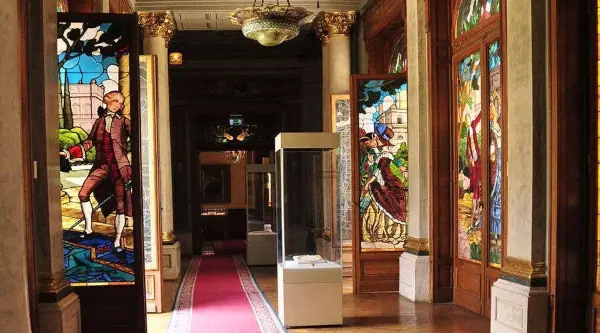 2.Kom al-Dikka
A splendid excavation area, which has a Roman amphitheatre with mosaic floors, a testament to the glory of ancient Alexandria.
2.Kom al-Dikka
A splendid excavation area, which has a Roman amphitheatre with mosaic floors, a testament to the glory of ancient Alexandria.
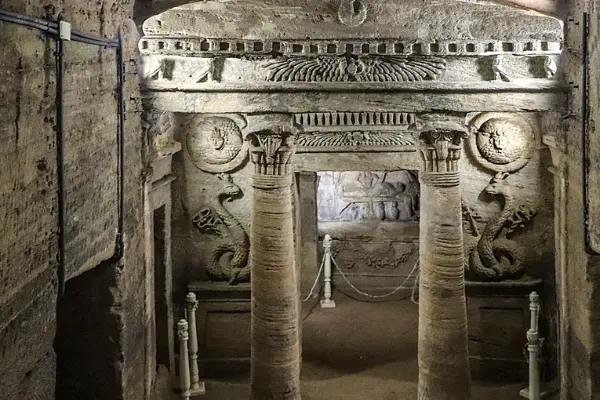
 3.Kom al-Shoqafa (Catacombs)
An underground funerary site, which blends Egyptian, Greek, and Roman styles, and is regarded as one of the Seven Wonders of the Middle Ages.
3.Kom al-Shoqafa (Catacombs)
An underground funerary site, which blends Egyptian, Greek, and Roman styles, and is regarded as one of the Seven Wonders of the Middle Ages.
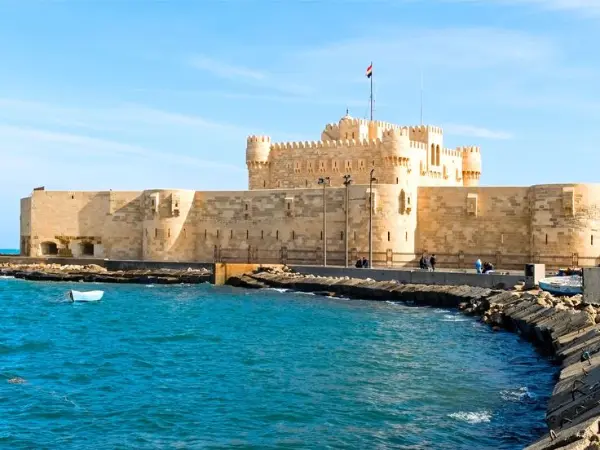
 4.Fort Qaitbey
A 15th-century fortress, built upon the ruins of the ancient Lighthouse of Alexandria, with a beautiful view of the Mediterranean Sea.
4.Fort Qaitbey
A 15th-century fortress, built upon the ruins of the ancient Lighthouse of Alexandria, with a beautiful view of the Mediterranean Sea.
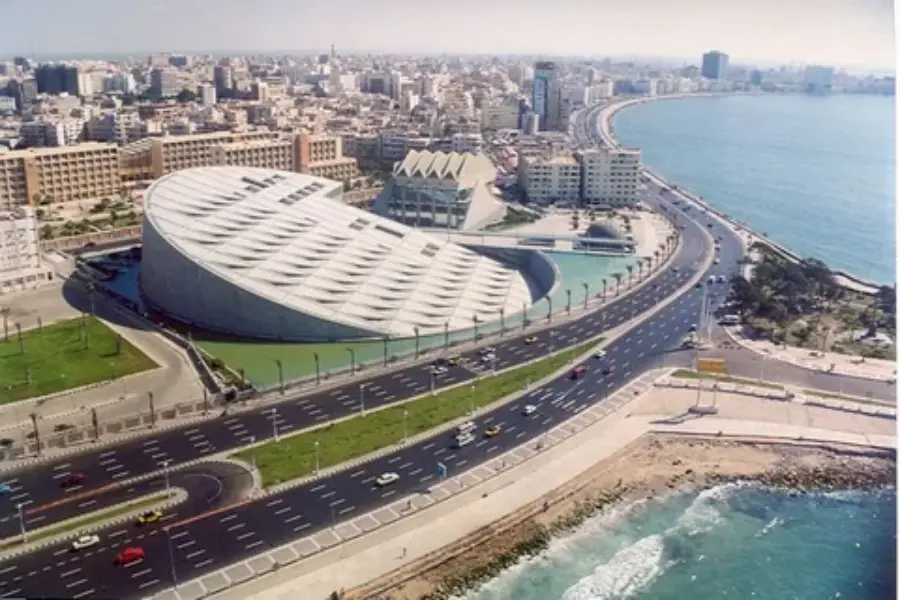
 5.Bibliotheca Alexandrina
A modern architectural marvel that houses millions of books, museums, and cultural exhibitions.
5.Bibliotheca Alexandrina
A modern architectural marvel that houses millions of books, museums, and cultural exhibitions.
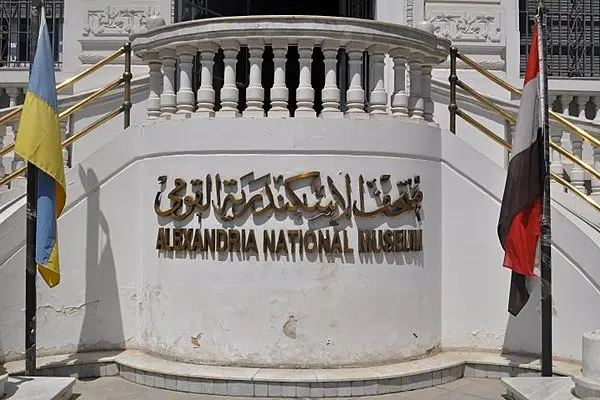
 6.Alexandria National Museum
A must-visit site for lovers of history, containing artifacts from Pharaonic, Greco-Roman, Coptic, and Islamic time frames.
6.Alexandria National Museum
A must-visit site for lovers of history, containing artifacts from Pharaonic, Greco-Roman, Coptic, and Islamic time frames.
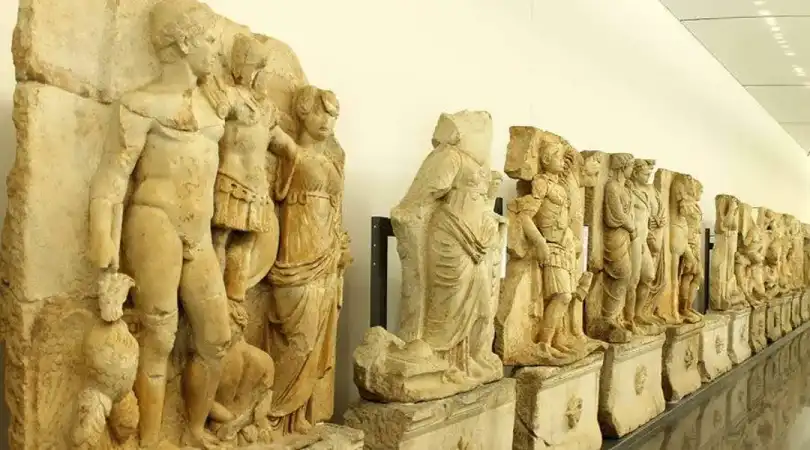
 7.Greco-Roman Museum
A collection of Greco-Roman antiquities, statues, coins, and medieval manuscripts.
7.Greco-Roman Museum
A collection of Greco-Roman antiquities, statues, coins, and medieval manuscripts.
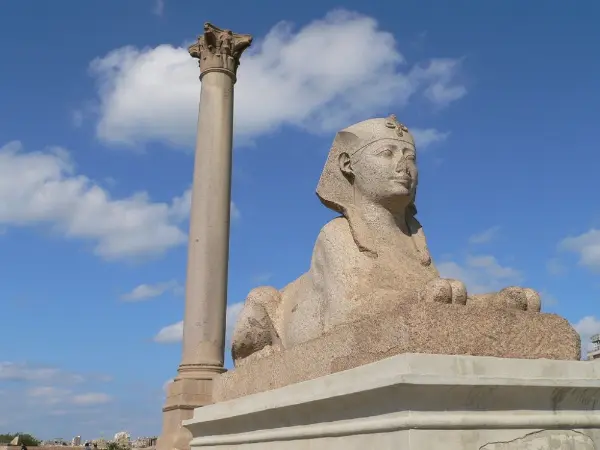
 8.Pompey's Pillar
A Roman column, one of the tallest of its kind outside Rome.
8.Pompey's Pillar
A Roman column, one of the tallest of its kind outside Rome.
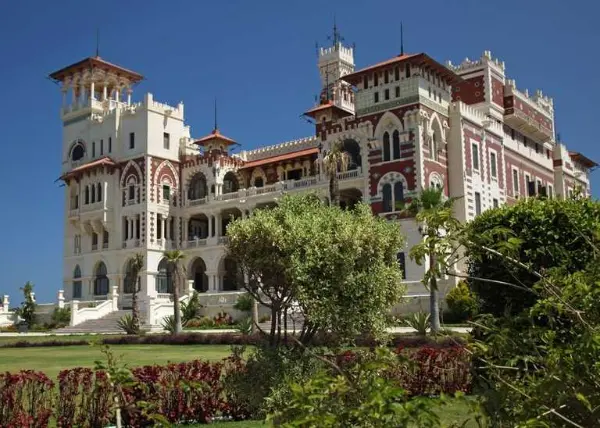
 9.Montazah Gardens
A grand palace surrounded by exquisite gardens, panoramic views, and historical ambience.
9.Montazah Gardens
A grand palace surrounded by exquisite gardens, panoramic views, and historical ambience.
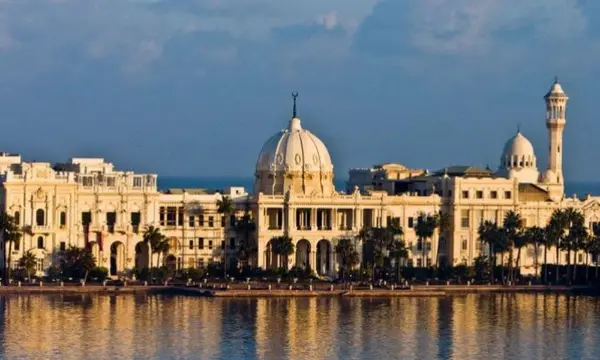
 10.Ras el-Tin Palace
An old palace used extensively as a summer retreat for Egyptian rulers.
10.Ras el-Tin Palace
An old palace used extensively as a summer retreat for Egyptian rulers.
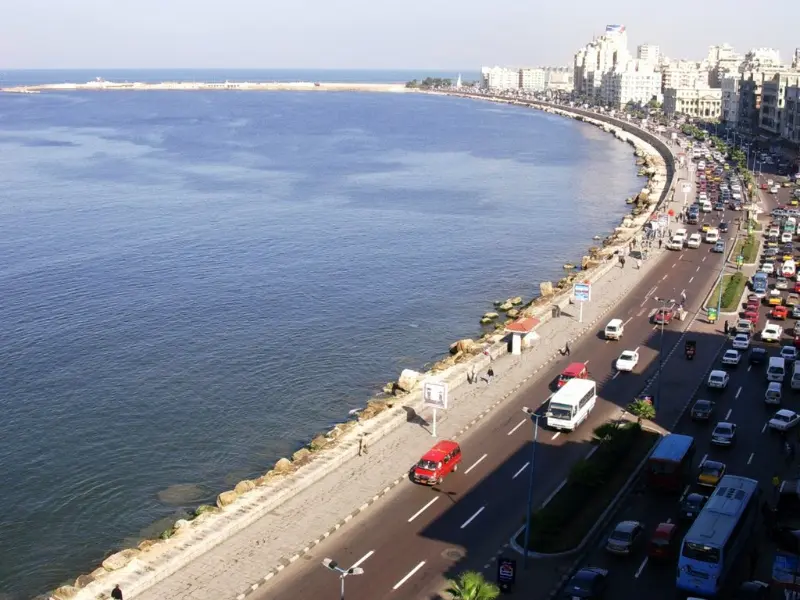
 11.Alexandria Corniche
A beautiful seaside promenade full of cafes, seafood restaurants, and historic landmarks.
11.Alexandria Corniche
A beautiful seaside promenade full of cafes, seafood restaurants, and historic landmarks.
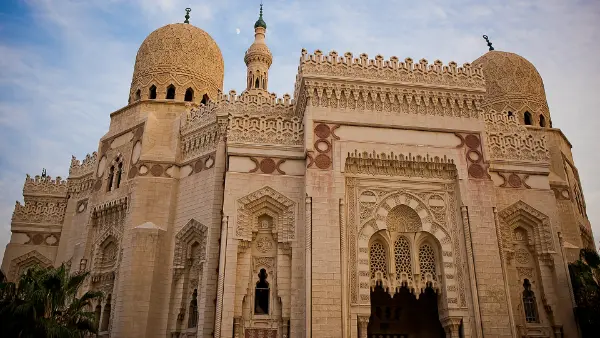
 12.Abu Abbas al-Mursi Mosque
An exquisite piece of Islamic architecture and one of the spiritual epicenters in Alexandria.
12.Abu Abbas al-Mursi Mosque
An exquisite piece of Islamic architecture and one of the spiritual epicenters in Alexandria.
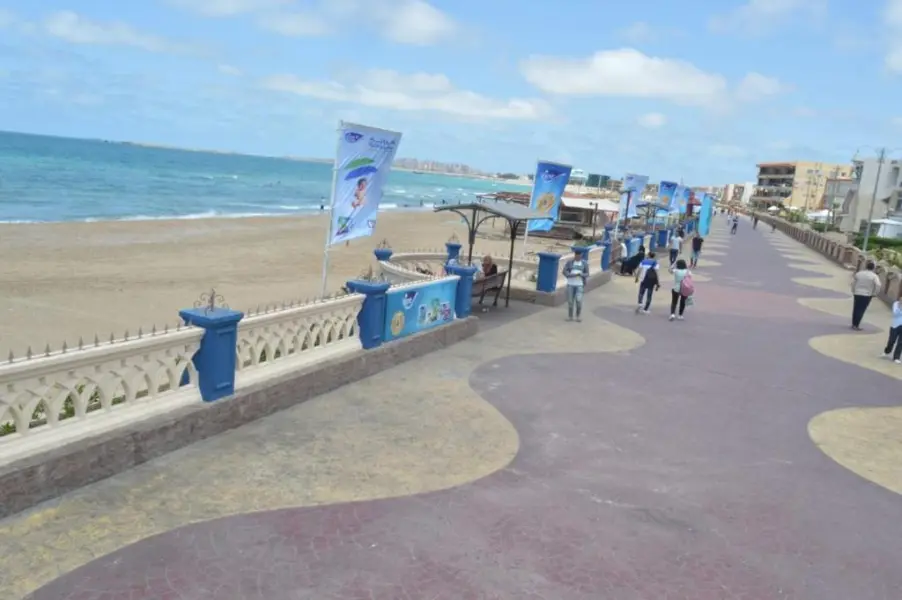
 13.Mamoura Beach
A secluded beach with transparent seawater ideal for unwinding.
13.Mamoura Beach
A secluded beach with transparent seawater ideal for unwinding.
 Read about: where's egypt located
Historical Hidden Gems in Alexandria Egypt
Beyond the well-known attractions, there are hidden gems waiting to be discovered: 1.The Cavafy Museum It is meant to preserve the memory of the eminent poet from Greece, C.P. Cavafy, who resided in Alexandria. 2.Antiquities Museum Located within Bibliotheca Alexandrina, ancient artifacts and rare manuscripts can be found displayed. 3.Cleopatra's Palace The underwater ruins are believed to be that of the palace of Queen Cleopatra. They are available only through diving excursions. 4.Aboukir The ancient coastal historic town connecting to places associated with Napoleonic campaigns in Egypt. 5.Souk Districts and Shopping Experience the exciting adventure of visiting famous souks like those of Souk El-Attarine for spices, antiques, and souvenirs. 6.The Lighthouse of Alexandria It stood tall but today is no more, not by its absence, but by its unmatched historical importance. The foundations of the unfortunate lighthouse were laid by Fort Qaitbey.How Will Be The Strolling Over Alexandria Corniche!
Walking along the Alexandria Corniche is a delightful experience, offering refreshing sea breezes, bustling cafes, and picturesque views of the Mediterranean. Read about: egyptian traditions and celebrationsCultural Insights: Festivals and Events in Alexandria
- Alexandria International Film Festival
- Overview: This annual film festival commenced in 2005 since then it showcased different types of movies from around the world, placing emphasis on Mediterranean cinema.
- Highlights: The film festival screenings also include film workshops and discussion with filmmakers and actors. It serves as a cultural exchange platform and promotes art in filmmaking.
- Time: It occurs during September or October.
- Alexandria Book Fair
- Overview: Alexandria Book Fair is one of the biggest literary events in Egypt: it attracts publishers, writers, and readers from different parts of the country and beyond.
- Highlights: Book signing sessions, literary discussions, and cultural programs take place. This is where people can do both contemporary work and academic writing.
- Timing: The most likely months for such events are the summer months.
- Alexandria Mediterranean Countries Film Festival
- Overview: Underlines the films of Mediterranean countries and emphasizes their common cultural and historical ties.
- Highlights: Screenings of feature films, documentaries, and short films, panel discussions, and cultural events.
- Timing: The festival usually comes around the fall season.
- Alexandria International Biennale for Mediterranean Countries
- Overview: A major art event that brings together Mediterranean country artists to show their works and promote cultural dialogue.
- Highlights: Exhibitions in contemporary art, installation, and performance. The biennal aims to encourage collaboration in the field of arts and appreciation of cultures.
- Timing: The biennial event normally occurs every two years and mainly takes place in spring.
- Alexandria Opera House Performances
- Overview: Various opera, ballet, classical music concerts, and drama performances are hosted by the Alexandria Opera House or known as Sayed Darwish Theatre.
- Highlights: Performances by local and foreign artists are regularly held so that the people can enjoy their culture at the rich level.
- Timing: Performances take place throughout the year.
Where to Stay in Alexandria
For a historical and comfortable stay, consider:- Steigenberger Cecil Hotel – A historic luxury hotel overlooking the Mediterranean.
- Paradise Inn Windsor Palace Hotel – A colonial-era hotel with classic decor.
- Four Seasons Hotel Alexandria – A modern yet elegant option by the sea.
- Hilton Alexandria Corniche – Featuring Mediterranean views and top-tier amenities.
Practical Information for Travelers
- Travel Documents
- Health and Safety
- Money and Budgeting
- Accommodation
Tips for a Memorable Visit to Alexandria Egypt
1.Go and visit the Monumental Structures.- Bibliotheca Alexandrina - Certainly a modern tribute paid to that great ancient Library of Alexandria since they have museums, exhibitions, and a vast reading hall.
- Qaitbay Fort - Truly magnificent as it was made on the site of the famed Lighthouse of Alexandria. This fortress grants an amazing view of the seas.
- Montaza Palace Gardens - This is a lush green coastal spot with royal architecture.
- At sunset, by this corniche, one can walk and see the most awe-inspiring views of the sea.
- Visit the Souq District for a truly local experience in shopping.
- Ride a traditional horse-drawn carriage (hantour) along the waterfront.
- Seafood at Balbaa or in one of the many seafish restaurants on the harbor:
- Ahwa (Egyptian coffee) today is made the old-style way from Délices or Trianon.
- Do not miss feteer meshaltet or Alexandrian liver bahnks from a street vendor.
- The Kom El Shoqafa Catacombs make up an underground Roman burial site.
- Pompey's Pillar and the remains of the Serapeum Temple.
- Visit the Royal Jewelry Museum for a view of Egypt's royal past.
- Best times to visit would be spring (March-May) and fall (September-November) as the weather is temperate.
- Transport: Uber and-taxi with agreed fares preferred. Transport is cheap but chaotic.
- Dress code:Moslem clothing is best.
- Currency: The Egyptian pound (EGP) is a currency that is easy to find. For small purchases, have some cash on hand.
Another Trips Near Alexandria
- El Alamein
- Distance: Almost 110 km west of Alexandria.
- Highlights:
- - World War II memorials: El Alamein is famous for its history of World War II. Visit the El Alamein War Museum, the Commonwealth War Cemetery, along with the German and Italian memorials.
- - Beach: The beaches are clean, with crystal-clear water, and are relatively empty compared to those in Alexandria.
- - Activities: Historical tours, beach relaxation, and snorkeling.
- Rosetta (Rashid)
- Distance: About 65 km east of Alexandria.
- Highlights:
- - Rosetta Stone: Historically, the town is of enormous importance for being the site from which the Rosetta Stone was discovered, which was vital for the deciphering of Egyptian hieroglyphs.
- - Ottoman Architecture: Wander among the quaintly kept Ottoman houses and mosques.
- - Activities: Touristic walks, photography, and visiting local markets.
- Abu Qir
- Distance: Some 23 km northeast of Alexandria.
- Highlights:
- - Abu Qir Bay: Famous for its beaches and seafood restaurants.
- - Historical sites: Explore the underwater ruins of the ancient cities of Canopus and Heracleion.
- - Activities: Swimming and diving, along with underwater archaeology explorations.
- Wadi El Natrun
- Distance: Roughly 100 km southeast of Alexandria.
- Highlights:
- - Coptic Monasteries: Such ancient Coptic monasteries include the Monastery of Saint Macarius and the Monastery of Saint Bishoy.
- - Natural Beauty: The natural setting consists of scenic landscapes and salt lakes.
- - Activities: Included religious tours, bird-watching, and nature walking.
- Burg Al Arab
- Distance: About 50 km southwest of Alexandria.
- Highlights:
- - Beaches: Accepts the quieter, calmer beaches.
- - Burg Al Rab Castle: Ruins of the medieval castle.
- - Activities: Beach fun, picnicking, and history excursions.
- Marina El Alamein
- Distance: About 120 km west of Alexandria.
- Highlights:
- Luxury Resorts: Known for its upscale resorts and pristine beaches.
- Marina El Alamein Archaeological Site: Explore the ruins of a Greco-Roman city.
- Activities: Luxurious relaxation, swimming, and tours in history.
- Siwa Oasis (for a longer trip)
- Distance: About 600 km southwest of Alexandria.
- Highlights:
- Siwa Oasis: A remote oasis that is picturesque by nature, filled with its own culture and beauty.
- Temple of the Oracle: Visit the ancient temple in which Alexander the Great was proclaimed son of Amun.
- Cleopatra's Bath: A natural spring in which you can swim.
- Activities include cultural tours, desert safaris, and spa treatments in natural springs.
- Cairo (for a longer trip)
- Distance: Approximately 220 km southeast of Alexandria.
- Attractions:
- Pyramids of Giza: one of the Seven Wonders of the Ancient World.
- Egyptian Museum: a museum in Cairo with a vast collection of artifacts from Ancient Egypt.
- Khan El Khalili Bazaar: a lively market with items and traditional crafts.
- Activities: historical tours, shopping, and exploring Cairo's multicultural life.
- Marsa Matrouh
- Distance: Approximately 290 km west of Alexandria.
- Highlights:
- Beaches: well-known for its finest beaches with crystal waters.
- Rommel's Museum: the museum dedicated to World War II German general Erwin Rommel.
- Activities include beach lounging, swimming, and historical tours.
- Taposiris Magna.
- Distance: Approximately 45 west of Alexandria.
- Highlights:
- Taposiris Magna Temple: an ancient temple to Osiris, an archaeological site still being excavated.
- Lighthouse and lake views: beautiful vistas of the Mediterranean and the salt lake nearby.
- Activities: historical tours and photography.