
What is the Salt Lake Siwa Oasis?
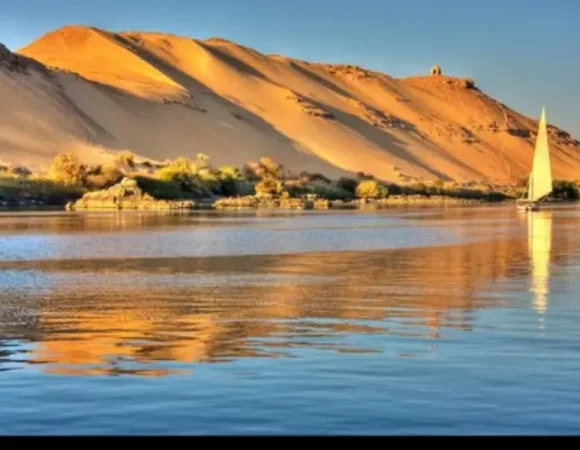
Salt Lake is a magnificent natural creation found in Siwa Oasis and the middle of the Western Desert in Egypt. These salt lakes belong to a special desert ecosystem that was created thousands of years ago and is supplied by the mineral-rich underground aquifers. The difference is that they have crystal and turquoise water surrounded by golden dunes and palm trees that form a surreal and calm nature.
The Salt Lake is not only a place of beauty, but it is also constitutive of the ecosystem and the culture of Siwa. The locals have harvested salt in these lakes, and they have been used in trade, construction, and wellness purposes. The Salt Lake in the Siwa Oasis is a super unique kind of desert that is Visit Egypt either because of its scenic beauty, the healing qualities of its waters, or the cultural aspect of it. If you're keen to explore more desert gems, consider a day trip to Fayoum Oasis.
What Makes Siwa’s Salt Lakes Unique?
- The Unmatched Salinity and Buoyancy
The lakes are very salty. It is extremely salty compared to the ocean. This salinity is also very high and gives a visitor a chance to float freely at the surface, and gives a medicinal experience akin to the Dead Sea. The feeling is relaxing and refreshing. These flotation experiences are also included in wellness tours like the Egypt Wellness Journey (9 Days).
- Healing Efficacy
The fact that it possesses natural healing properties makes it distinct among the many medicines that are available to fight this battle. Consider booking immersive experiences like the Enchanting Egypt itinerary that highlight wellness spots like Siwa.
These lakes have salt and mud that are considered to relieve ailments on the skin, joints, as well as respiratory system, since they are rich in minerals such as magnesium and potassium. Siwa is famous as a destination among many tourists who specialize in natural wellness (salt baths and mud treatment). Some curated tours, like the Discover Your Passions, combine nature and self-care for a fulfilling journey.
- Clearest, Bluest Waters
- Desert Surrealist Location
In contrast to other salt lakes in the world, the lakes that surround Siwa town are surrounded by golden dunes and ancient palm groves as well as traditional mud-brick buildings, thereby providing a rare nature, history, and cultural mix. That mix is beautifully experienced in broader cultural adventures like Ramadan in Egypt.
- Local Salt Economy
- Sustainable Green Tourism
The salt lakes of Siwa are turning into an eco-friendly tourist attraction. Currently, the lakes have received a boost due to the emerging popularity of spas that are natural and non-commercial, making it a popular selling point to the lakes as well, without the intense development experience like in other tourist areas. This aligns with Egypt’s rising green tourism options like the Luxury Nile Desert Retreat (10 Days).
At that, the key peculiarities of salt lakes are their surprisingly high level of salinity, natural healing value, the tranquil beauty, and the fact that they are strongly incorporated into the lifestyle of the locals. It is not merely a sight to be seen, but it is a destination to be felt, to float, and to be healed. You can also include it in a customized trip to Egypt based on your preferences.
Where to Find Siwa’s Salt Pools?
Most of the salt pools are located near the town of Siwa itself and around the ancient Shali Fortress ruins. Popular spots include:
-
Bir Wahed: A mix of hot springs and saltwater pools in the desert dunes. These are often included in desert escape tours like the Desert Oasis Explorer (4 Days).
-
Maraqi Salt Pools: Famous for their vivid colors and crystal-clear water.
-
Taghaghien Salt Lakes: Ideal for floating and stunning for photography.
Siwa Oasis Map
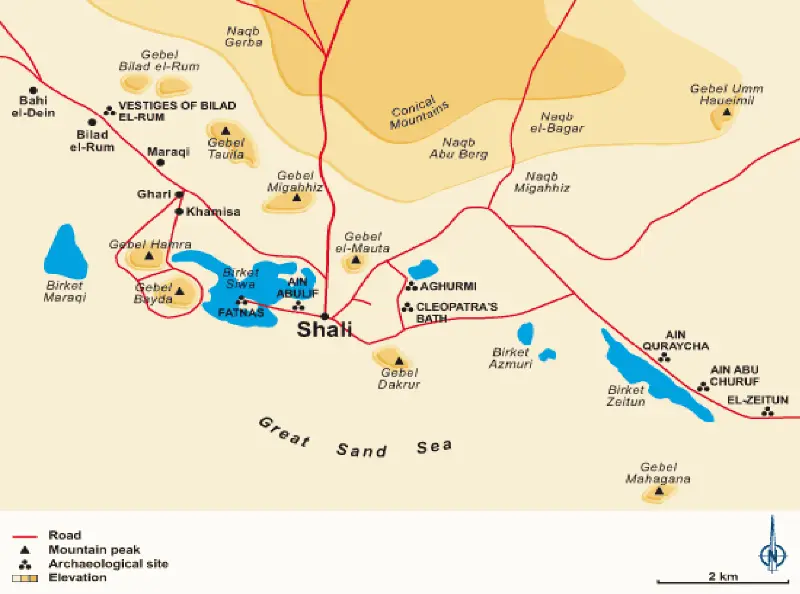
Here’s a general orientation of Siwa’s main attractions and salt lakes:
-
Siwa Town: Central hub with accommodations, markets, and eateries.
-
Shali Fortress: Historic mud-brick city ruins, often included in Islamic Cairo heritage tours.
-
Salt Lakes: Scattered east and west of Siwa, easily reached by 4x4 or tuk-tuk.
-
Oracle Temple of Amun: Historic site near Aghurmi village. Sites like this are often included in broader cultural packages like Explore Egypt.
-
Cleopatra’s Pool: A freshwater spring popular for swimming.
Tip: Offline maps or guides are highly recommended due to spotty reception.
Benefits of Siwa’s Salt Lakes
1. Natural Healing PropertiesThe lakes of Siwa, full of salt and minerals, chiefly magnesium, potassium, and calcium, create an environment of buoyancy similar to that of the Dead Sea. That mineral-rich water is said to:
-
Reduce joint and muscle pain
-
Improve the circulation of blood
-
Treat skin conditions such as eczema and psoriasis
-
Aid in healing wounds and inflammations
You’ll find similar therapeutic stops in packages such as the 4 Days, 3 Nights Egypt Tour, which blend relaxation with adventure.
2. Floatation Therapy The high salt concentration lets visitors float completely on the surface of the water. This natural floating effect produces high states of relaxation, helps reduce stress, anxiety, and sleep disturbances. Many visitors describe the experience as meditative and spiritually grounding. Wellness-based tours like Egypt in Style cater to this kind of healing travel. Skin Detoxification The salt pools are a natural exfoliator. It stimulates toxins from the skin and makes the skin feel refreshed, smooth, and rejuvenated. It also gives skin a better tone and elasticity with time. 3. Respiratory Relief The desert atmosphere, as well as the microclimate near the lakes, will help those who have problems with the respiratory system. Inhaling the vapours rich in minerals can be used can clear the nose and alleviate asthma symptoms or sinusitis symptoms. This complements eco-travel itineraries like Discover the Wonders of Ancient Egypt. 4. Mental and Emotional Health The calm vibe of Siwa saltwater lakes revolves around still natural waters, huge skies, and epic desert backgrounds, which makes its environment conducive to reflection, contemplation, and mindfulness. Upon visiting these sites, tourists easily become emotionally and spiritually balanced. Consider including a visit in your Romantic Escape 10-Day Honeymoon in Egypt. 5. Eco-Friendly Alternative to Spa Treatments Opposed to the artificial spa constructions, the salt lakes of Siwa provide an environmentally friendly, chemical and environmentally-friendly method of well-being. Healing is not only an opportunity to restore your body, but also something in harmony with nature. Try a relaxing alternative like the Nile Legacy Luxor and Cairo Adventure. 6. Community and Cultural Connection Many locals have passed down knowledge of the lakes' healing properties for generations. Visiting the salt lakes can be an opportunity to connect with Siwan traditions, learn about ancient remedies, and support the local economy, just like trips such as the Abu Simbel Sun Festival Experience.The Salt Lake Siwa Oasis Facts
1. High Salt Content Some of the salt lakes in Siwa are more alkaline and dense with salt to the extent of being a natural buoyancy counterpoint to the Dead Sea. This is very high in salinity, and so one can freely float simply with an aura of therapy, as seen on healing-focused tours like Epic Egypt: A 14-Day Tour. 2 . Natural Salt Extraction Site It is one of the oldest salt-extraction traditions in Egypt. The salt is extracted from the lakes and salt flats by hand to be used for cooking, healing, and even the construction of salt bricks for Siwan architecture. It’s a highlight of cultural trips such as the Coptic Day Tour. 3. Lack of Marine Life The lakes are bereft of fish or other forms of aquatic life owing to very high salt content. The water is so saline that almost any biological organization cannot sustain life; this helps in the natural course of keeping it clean. 4. Healing Repute Locals and visitors believe the lakes offer a potent remedy to skin diseases, arthritis, and respiratory problems. They even use salt water with certain precautions for treating eye afflictions. Nature-based journeys like Egypt Family Adventure are great for multi-generational healing. 5. Year-Round Access The salt lakes of Siwa are available throughout the year, unlike seasonal boiling water or spa resorts. It does not matter whether it is summer or winter: you may enjoy their relaxing waters in the center of the desert. 6. Eco-Tourism AttractionThe lakes have been turned into a hotspot of eco-travellers in search of a natural wellness journey, attracting the attention of various tourists as well as photographers and wellness influencers across the planet. Itineraries like the 6 Days, 5 Nights Egyptian Tour 2 blend nature and cultural stops for such audiences.
7. Salt Crystals of the Beach The edge of these lakes is naturally flanked with the deposit of beautiful white salt crystals as the water evaporates under the hot desert sun, thus presenting beautiful contrasts on the turquoise water line and the gold beach sands. 8. Spiritual Experience Many visitors describe visiting the salt lakes as a deeply calming and spiritual experience, thanks to the silent surroundings, the healing effect of the water, and the simplicity of nature. These moments are enhanced on retreats like Egypt Photographers Dream 12 Days.The Geology of Siwa’s Salt Lakes
- Depression Landscape
- Evaporation and Salt Crusts
- Rock Salt and Brine Deposits
- Geothermal Influence
- Environmental Balance
Practical Tips for Your Visit
-
Pack Swimwear: As seen on 6 Days, 5 Nights Cairo, Aswan, Luxor & Abu Simbel, desert climates demand planning and hydration.
-
Do Not Shave Before Swimming
-
Wear Flip-Flops or Water Shoes
-
Rinse Off After Swimming
-
Protect Your Electronics
-
Respect Local Culture
-
Use Eco-Friendly Sunscreen
-
Hire a Local Guide
-
Visit at Sunrise or Sunset
-
Respect the Environment
Best Time to Go to Siwa Oasis
The best time to visit Siwa is October to April, when temperatures are mild (20–28°C) and perfect for outdoor adventures. Avoid the peak summer months (June–August) due to intense heat, which can exceed 40°C.How to Get to the Salt Lakes
- From Cairo: 10–12 hours by car or bus. Direct buses leave from Torgoman Station.
From Marsa Matruh: 4–5 hours by 4x4 or microbus.
By Tour: Several eco-lodges and travel operators offer multi-day trips to Siwa, including visits to the salt lakes, hot springs, and desert safaris. Pro tip: Travel with a local guide to explore off-the-beaten-path pools, as done in the Islamic Cairo Day Tour.
What to Bring With You
- A towel and a change of clothes
- Flip-flops or water shoes
- Refillable water bottle
- Sunglasses and a wide-brimmed hat
- Waterproof phone case or camera
- Snacks—options are limited once outside the town
- Biodegradable wipes, if you don’t have access to showers
Photography Tips: Capturing the Magic of Siwa’s Salt Lakes
Siwa's salt lakes are a photographer's dream world — where sparkling white crusts of salt, blue-green waters, and sun-baked desert lands come together in breathtaking harmony. To photograph the wonder of this otherworldly landscape at its best, keep in mind these photography tips:- Photograph During Golden Hours
- Play with Reflections
- Practice Minimalist Composition
- Include Texture
- Shoot Wide for Impact
- Shoot From Above (If Possible)
- Mind the Reflected Light
- Include People for Scale