
what to do in aswan egypt
Blog

What to Do in Aswan Egypt: Top Attractions & Activities

February 13, 2025 Kholoud 15 min read
Aswan, one of the southern cities located along the banks of the Nile River in southern Egypt, has a bite-sized history, culture, and natural beauty. Aswan is known for it gives something different: relaxation combined with adventure. Whether you are a history lover or not, Aswan has got something in it to meet everyone's needs. This guide will take you through what to do in this enchanting city

Where is Aswan, Egypt?

Aswan is in southern Egypt and it is about 950 kilometers south of Cairo and 215 kilometers south of Luxor. It is on the east bank of the Nile just below the First Cataract, a series of rapids that were in ancient times the southern border of Egypt. The city is the capital of the Aswan Governorate and it serves as a gateway to Nubia and Sudan. Because of its location, the city has been of strategic importance given trade and military focus anywhere in history. Because the city is located on the east bank of the Nile at the first cataract., it has experienced warm sunny days throughout its history, which presents an ideal occasion for visitors looking for sunshine and outdoor activities. Being located along the Nile, Aswan is a center for river cruises that start and end there, giving visitors a chance to enjoy the beauty of the Nile and visit the historical sites around.

Is Aswan Worth Visiting?

Indeed, the place is Aswan, a tourist destination with a documented history, wonderful scenery, and friendly people. In contrast to the travel or crowdedness of Cairo and Luxor, it is yet another ideal destination for relaxation and contemplation while touring those ancient wonders. From the mighty temples of Abu Simbel to the quietness of the Nile passing through it, Aswan brings out a unique custom experience along with its mother nature for a very good reason for cultural immersion. And its UNESCO World Heritage Sites, lively Nubian villages, and great sunsets over the Nile, mean that Aswan must be a place to go in Egypt. Aswan also serves as a point of access to Nubian culture, which possesses its own separate identity and history apart from mainstream Egyptian culture. Nubians are famous for their fairly colorful homes, culture, and warm hospitality welcoming visitors from any other part of the world making it culturally "an enriching experience".

What to Do in Aswan, Egypt

  1. Visit Philae Temple
The most iconic among Aswan's sites, Philae Temple, honors the goddess Isis. Previously cited at Philae Island, the temple was moved to Agilkia Island in the 1960s due to threats posed by the flooding Nile. The magnificent temple complex can be reached via a short boat ride, from which one can admire the intricate carvings, great columns, and tranquility of the surrounding environment. Dating back to the Ptolemaic dynasty, the temple was one of the last places of ancient Egyptian worship just before the rise of Christianity. Several buildings, like the Kiosk of Trajan and the Temple of Hathor, are part of the temple complex, and each of them has its unique architectural style.  In the evening, do not miss the Sound and Light Show that tells the story of the temple, complete with fascinating narration and dramatic lighting effects. The show is multilingual, helping international tourists enjoy the experience. 
  1. Visit Unfinished Obelisk
The Unfinished Obelisk is a view into the stone-cutting methods of one ancient when you visit Egypt. Queen Hatshepsut had commissioned the obelisk weighing many tons when it was abandoned because of a crack which showed up during construction. Today, it stands proving the ingeniousness and the very trials that beset ancient builders. Already an over-40-meter high and almost 1,200-ton obelisk would have been by far the largest ever erected, and visiting sites allows you to look at tools and techniques engaged by ancient Egyptians in carving and transporting these behemoth blocks of stone. The quarries are an impressive spectacle, with sheer rock walls and scattered stone remnants.
  1. Discover the Nubian Museum
Anyone interested in Nubian culture and history must see the Nubian Museum which serves as a museum for Nubians. The museum displays artifacts, jewelry, and pottery of Nubian people. Nubia is a region covering the southern part of Egypt and the northern part of Sudan. The exhibits are the most eye-catching and provide a thorough understanding of traditions in Nubia and their relationships with the Nile. Apart from this, there are outdoor exhibitions, among which are a reconstructed Nubian house and a traditional boat, which give a glimpse into every possible aspect of daily life in Nubian villages. The architecture of the museum is inspired by tradition-Nubian layout with dome roofs and earthy tones, integrating smoothly with the landscape.
  1. Take a Felucca Ride on the Nile
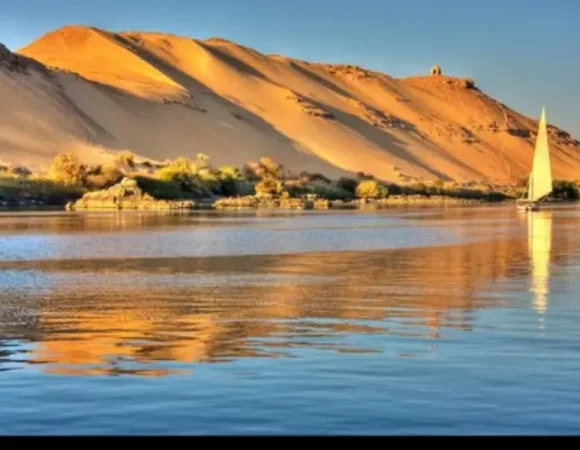
Going on a felucca ride is one of the most fundamental traditional aspects of Aswan. These wooden sailboats possess the skill to drift over very gentle seas and rivers and offer spectacular views of river banks accompanied by thriving landscape and ancient ruins. However, the best would be at sunset to have a magical moment when the sky becomes a canvas of dazzling color. Feluccas have been used for millennia on the Nile, and their fairly simple structure, coupled with wind-powered movement, makes them environmentally friendly. Many of the felucca captains love to spin tales about the river and its unique history, which would contribute to your personal experience. You may want to book a multi-day felucca camping trip for a longer experience in which you can camp on the riverbanks and visit isolated villages along the way. It is one of the best ways to get in touch with the peaceful and serene Nile setting and get closer to nature.
  1. Go to Aswan High Dam
Aswan High Dam stands today as a modern engineering wonder that has very important marking changes in Egypt's economy and environment. The dam governing the rivers flooding, generating electricity, and creating one of the world's largest man-made lakes, Lake Nasser, was completed in 1971. One visit to the dam reveals insight into its past and political importance. The undertaking of building this dam involved a lot, including relocating several ancient temples, among them Abu Simbel and Philae. Reservoir Lake Nasser makes a popular place for fish and bird watchers, being home to several species, some of which only exist in that region.  The visitor center has grasses and exhibits where one can have a panoramic view of the dam from all directions as well as the surrounding landscape, in addition to exhibits on the construction and impact of the dam on Egypt.  6.Explore Elephantine Island Straddling the Nile, Elephantine Island has some old temples, Nubian settlements, and houses the Aswan Museum. Its interesting past coincides with that of the Pharaonic period and makes a perfect getaway spot from the going-about lives in Aswan.  Pharaonic history informed the name "Elephantine", based on the island's elephant-like shape, which made it a valuable strategic point for an ancient trading post. The Aswan Museum, which is located on the island, treasures artifacts including pottery, tools, and statues recovered from the various archaeological sites on the island.  The Nubians also inhabit the island where all the tourists can share their traditional culture and hospitality. A few locals offer tours of their homes and have you indulge in learning more about Nubian traditions, music, and of course, their delicious dishes.  7.Maze at the Abu Simbel Temples Three hours of drive is a bit far off from Aswan, but surely the Abu Simbel temples are among the places you should visit. These gigantic temples built by Ramses II are More known because of their gigantic statues and their very detailed carvings. In fact, they were relocated in the 1960s to save them from the rising waters of Lake Nasser: it was quite an engineering feat, but that's another story. The bigger temple is dedicated to Ramses II himself, and the other is for his wife, Queen Nefertari. The temples are inclined such that during February 22 and October 22 of every year, rays from the sun penetrate till the inner sanctuary. Hence, this day actually marks the celebration of the Sun Festival. The very trip to Abu Simbel is an adventure in itself-the desert scenery providing a dramatic frame for the temples. Most of these people would experience going for a day trip from Aswan to Abu Simbel, but those who opt for an overnight stay will have the opportunity to witness the temples against the backdrop of sunrise or sunset, truly the most magical times of the day. 8.El Kab Tombs and Monastery of St. Simeon The opposite side of the Nile from downtown Aswan houses the El Kab Tombs (if you have already checked out tombs in Luxor, these can be skipped) and the Monastery of St. Simeon. Both are awesome sites to see, but be sure to take lots of water--the land on the other side of the river is quite barren.
  1. Kalabsha Temple
Not many tourists venture to this site, the ancient Egyptian temple Kalabsha,-- a splendid temple located in Lake Nasser, surveyed by Aswan High Dam. Now, if you have already gone through much of Luxor and Aswan, as well as all the monuments at Kom Ombo and Edfu, you can skip this one. Unless, of course, you want to experience the magic of having almost a temple to yourself, away from the large tour groups. 10.Market of Aswan (Souq) A souq or Arabic market in Aswan is a long street in the centre of town with stalls for everything from spices to books to musical instruments. It has the best of both worlds; tourists and locals frequent this street, enabling it to have such a variety of shops. To get to the souq, go a few streets in from the Nile River from downtown Aswan - you'll soon notice the long street filled with vendors on both sides, that stretches all the way from the city center to the train station. Also Read about: where is alexandria in egypt

What to Do in Aswan, Egypt at Night

  1. Attend the Philae Temple Sound and Light Show
The Sound-and-Light Show at the Philae Temple is an enchanting affair, blending history, art, and technology. As the temple comes alive with lights, the voiceover narrates tales of its glorious past, lending an aura of magic to the entire setting. The night show features a beautiful display of lights, highlighting the architectural elements of the temple. It narrates in various languages and takes back in time with a narration of the construction of the temple, as well as some anecdotes of ancient Egyptian religion concerning the temple and how it arose from the waters of the Nile. 
  1. Stroll Along the Corniche
Aswan's Corniche should really get alive in the evening for long strolls by the waterside; the Corniche is full of cafes, restaurants, and shops, which in the area form a perfect ambiance to enjoy long evening strolls with views over the Nile.  Otherwise, the Corniche is a local activity and for tourists, a hangout-it's indeed the right most place to spend time watching people pass, drinking in the atmosphere of the city. It has plenty of cafes that can provide outdoor seating; hence, you can sip tea or shisha while watching boats sail by. 
  1. Dine in a Nubian Village 
If you can take an evening meal in an authentic Nubian village, you may understand what true Nubian warmth and hospitality means. Try traditional dishes such as bamiya and stew, wash them down with hibiscus tea, and be informed about Nubian culture and traditions.  While countless Nubian families invite outsiders into their homes to share a plate-a tasty little meal-a very special occasion would be that somewhat different and unique offer to experience real Nubian cuisine varieties at having very traditional, colorful, and interesting houses serving such food. Afterwards, many of these willing hosts adore time spent narrating tales around their culture and ways of living. 4.Makka Restaurant Makka Restaurant brings a bustling array of meat dishes with a whole lot more for the vegetarians, with alternatives for side dishes. Certainly a more local one for the whole people anyway. 5.Panorama Restaurant at the Movenpick Hotel  The most exclusive of the Movenpick restaurants; it has a way of showing the true panoramic views of the Nile River and the city, in accordance to its name.  6.Solaih at Eco Nubia  Offering mouthwatering Nubian cuisine with the most amazing sights of the Philae Temple right across the water, the in-house dining facility at the Eco Nubia Hotel.  7.Al Dokka Nubian Restaurant  Al Dokka Nubian Restaurant is located on one small island in the Nile River and offers spectacular views, food, and service. A free ferry takes you to and from the downtown of Aswan. Read more about: where is aswan in egypt

Hidden Gems in Aswan

  1. Kitchener Island
 The quiet isle of El Nabatat, has sylvan gardens and an excellent assemblage of plant species. The visitor can bask in the delights of the Aswan Botanical Garden, a refuge for nature lovers and birdwatchers. The island was given to Lord Kitchener at the end of the 19th century, and he turned it into a botanical garden-the best of all-the plants were sourced worldwide. Today the garden is a peaceful oasis shaded pathways; bright, colorful flowering plants; and different bird species.
  1. Tombs of the Nobles
On the west bank of the Nile, the Tombs of the Nobles are a more peaceful alternative to those other sites. These tombs are the holding ground of murals that tell rich tales linked with the lives of ancient Egypt elites. Murals from these ancient tombs breathe life through ancient portraits on their intricately engravings.  Dating back to the Old and Middle Kingdoms, the tombs portray scenes of daily life, religious practices, and sacrificial offerings to the gods. The tombs are much less crowded than other sites, which makes them an attractive place to explore.
  1. St. Simeon Monastery
This well-preserved Coptic monastery offers many glimpses of early Christian monasticism in Egypt. It can be reached by both boat and camel, making it a unique and off-the-beaten-path experience. Founded in the 7th century, the edifice housed hundreds of monks, and ruins today include church, living quarters, and bakery with desert landscape surround. Also Read about: egyptian gods names and powers

What is Aswan, Egypt Known For?

Famous for its ancient temples and Nubian culture, Aswan, too, opens up to breathtaking views of the Nile River. Also, it is famed for its granite quarries which supplied the stones of many monuments in Egypt, including pyramids. A traveler prefers it since it has a mellowness and strong history in it. Famous from ancient temples to Nubian culture, Aswan is prized for its breathtaking views of the Nile River and equally has celebrated granite quarries. These quarries supplied the stones of many monuments of Egypt, including pyramids. A traveler sees it because it has a mellowness and strong history in it. Also Read about: what is the official language spoken in egypt

Things You Need to Prepare Before You Visit Aswan, Egypt

-Items to Pack: Lightweight Clothes The climate in Aswan is hot and sunny, so lightweight and breathable clothing is a must. Don’t forget sunscreen, a hat, and sunglasses in order to protect yourself from the sun. -Staying Hydrated Given the drying climate, carry a bottle along and keep drinking. Avoid tap water and instead, go for bottled drinks.  -Respect Local Customs Aswan is very conservative, and you are expected to dress modestly, especially when visiting religious places. Respect local customs and traditions. Also Read about: what is the most important holiday in egypt

How to Reach Aswan in Egypt

Aswan is reachable via air transport, rail, and bus. Domestic and international flights arrive at Aswan International Airport. Trains traveling from Cairo and Luxor make a picturesque journey downthe Nile. For budget travelers, there is an option of bus transport.

How to Get Around Aswan

For local travel, taxis, feluccas, and organized tours are the most common methods. Although taxis are reasonably priced, fares should be negotiated beforehand. Feluccas are perfect for short Nile excursions, while organized tours provide convenience and guidance. 

Where to Stay in Aswan

Aswan accommodates all kinds of travelers from luxury resorts such as Sofitel Old Cataract Hotel to budget guesthouses. To experience something really special, try something Nubian such as Kato Dool Wellness Resort.

Where to Eat in Aswan

Aswan's food combines Egyptian and Nubian flavors. Typical dishes such as bamiya stew and feseekh should not be missed. Top eateries include the Nubian Dreams Restaurant and the Solaih Nubian Restaurant.

Interesting Facts About Aswan

  • Aswan was regarded as the southern border of ancient Egypt.
  • City quarries supplied granite for the pyramids.
  • The Nubian Museum is among the most modern museums in Egypt.

Conclusion

This city puts history and culture into a bewitching combination with natural beauty. They offer the visitor unforgettable memories when visiting ancient temples, sailing on the Nile, and enjoying Nubian culture. It is truly paradise for travelers because the alluring, temperate, serene surroundings offer living conditions of unkind and unheard extremes.

FAQs

1. When's the best time to visit Aswan?

Because it cools down in the months of October through April, it is the most suitable period to travel to Aswan.

2. How long should I spend in Aswan? 

Spend about three-four days in an ideal way: to see all attractions Aswan has to offer. 

3. Is Aswan safe for tourists? 

Aswan is quite a safe place for tourists, but it is always good to keep normal precautions. 

4. Can I get a bus from Aswan to Abu Simbel? 

Yes, Abu Simbel is the one-hour plus three-hour land excursion from Aswan. 

5. What should a person wear in Aswan? 

Lightweight and modest clothing should be worn to visit religious sites.

Share this story

Kholoud's portrait

Kholoud

Visit Egypt Editorial Team

Visit Egypt is writing about the best experiences in Egypt.