Egypt holds a timeless enchantment for the traveler with an exciting mix of serene, natural beauty, dynamic, modern culture and, of course, ancient landmarks and history. Tourists can enjoy the warm waters of the Red Sea and then wonder at the iconic
pyramids of Giza--every corner of this region tells a story of wonder and beauty. In this article, we dive into the multi-faceted beauty of Egypt, beckoning you to discover its picturesque landscapes and cultural legacy.
The Majestic Monuments of Ancient Egypt
The Pyramids of Giza
It is a wonder in itself that the Pyramids of Giza were built next to today's most populous city in Egypt. While many of artifacts and temples of ancient Egyptians can be visited by traveling south to Luxor--the ancient pyramids are a taxi ride away from anywhere in Cairo. Standing tall on the outskirts of the city, the Pyramids of Giza are a testament to ancient Egypt’s architectural prowess and ingenuity. The Great Pyramid, one of two remaining of the Seven Wonders of the Ancient World, is still in existence. And it is a sight to behold. Sightseers can't help but marvel at the achievement of this task. The mysterious Sphinx, which is the second standing Ancient Wonder, guards the pyramids, lending an ambience of wonder and mystery to this enduring site.
Luxor: The World’s Largest Open-Air Museum
Historians and tourists affectionately--and accurately--refer to Luxor as the world’s largest open-air museum because it is home to an array of ancient temples and tombs. The Karnak Temple Complex, with its massive columns and intricate hieroglyphs, gives significant insight into the splendor of ancient Egyptian civilization. Not far from this site, tourists can visit
Luxor Temple, beautifully illuminated at night, and offers a less intense historical experience, but a much more serene glimpse into the past. Across the Nile, the Valley of the Kings reveals the splendor of pharaonic tombs, including the tomb of Tutankhamun.
The Serene Beauty of the Nile River
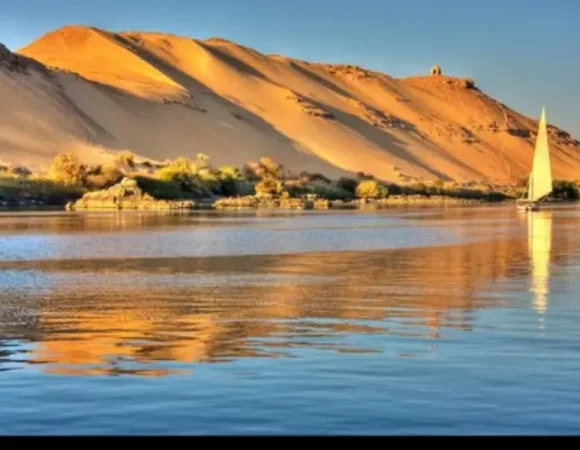
The Nile River holds a special place in human civilization. Ancient Egypt is considered by Westerners as the birthplace of western civilization and the Nile regarded as the lifeblood of the people. It has nourished civilizations for millennia. Winding through the heart of the country, the Nile offers serenity and calm, contrasting from the crowd and pace of bustling modern life. Even better, cruise along the Nile, from Luxor to Aswan, and witness the scenic beauty and historical landmarks that line its banks.
Felucca Rides
Sailing on a traditional felucca boat, with its white sails billowing in the breeze, is a quintessential Egyptian experience. The gentle lapping of the water and the stunning sunsets over the Nile create moments of pure tranquility.
Aswan: The Jewel of the Nile
Aswan, with its palm tree-lined coast and tranquil town, is known for its beautiful and relaxed atmosphere and a highlight of any Nile journey. The Philae Temple is a stunning example of ancient architecture, set against the backdrop of the river. The Nubian villages, with their vibrant colors and distinct culture, add to the charm of Aswan.
The Vibrant Culture and Warm Hospitality
Egyptian culture is a rich tapestry of traditions, music, dance, and art. The teeming markets, which are called "souks," offer a sensory overload of colors, sounds, and aromas. Khan El Khalili in Cairo is one such market where you can find handcrafted goods, spices, and traditional Egyptian clothing.
Egyptian Cuisine
Egyptian cuisine, though often overlooked, consists of subtle flavors and textures. Don't miss out on a bowl of
koshari, a dish of rice, lentils, and pasta, and then order sweet baklava from a nearby bakery. Egyptian cuisine mirrors its diverse cultural legacy, so you'll be sampling a taste of the myriad of cultures which have settled in Egypt over the years and left their mark on Egyptian society. There are plenty of street food vendors and traditional restaurants that offer a taste of authentic Egyptian flavors.
Festivals and Celebrations
Egypt’s holiday season and festivals are a lively exhibition of culture and tradition. Ramadan, the holy month of fasting, is followed by Eid al-Fitr, a joyous celebration marked by feasting and family gatherings.
The Pristine Beaches and Natural Wonders
Often mistaken for being a completely desert climate, Egypt’s natural beauty is actually extensive. The unpolluted beaches along the Red Sea and the Sinai Peninsula are among the world’s best, presenting tourists with lucid waters and colorful reefs.
Sharm El Sheikh and Hurghada
Sharm El Sheikh and Hurghada are distinguished for their stunning beaches and world-class diving and snorkeling spots. The colorful marine life and coral formations in the Red Sea make it a paradise for those who love underwater activities.
The White Desert
West of the Nile is a special desert that contrasts with the red sands of the eastern one: The White Desert. It's studded with dreamlike rock formations and vast stretches of white sand, and when juxtaposed with the lush Nile Valley, all the more captivating. This otherworldly landscape, shaped by wind and sand, offers a unique adventure for those seeking to explore Egypt’s natural wonders.
Conclusion: A Journey Like No Other
Egypt is a land where the past and present coexist in a harmonious blend of history, culture, and natural beauty. From the awe-inspiring monuments of ancient civilizations to the serene landscapes and vibrant cultural experiences, Egypt offers a journey like no other. Whether you are exploring the bustling streets of Cairo, sailing the tranquil Nile, or relaxing on the pristine beaches of the Red Sea, the beauty of Egypt will captivate your heart and soul.
Embark on your adventure to Egypt and discover the magic that has enchanted travelers for millennia. Let the wonders of this timeless land inspire and amaze you.