
Egypt alters entirely throughout Ramadan. The lanterns fill the streets, the aroma of slow-cooked food permeates the ancient alleyways and a community spirit draws millions of people to the streets between sunset and dawn.
Whether you are a first-time visitor or a returning traveler, witnessing the celebration of Ramadan in Egypt is an unforgettable, deeply human experience that touches something essential about this remarkable country.
What Is the Holy Month of Ramadan?
Muslims observe Ramadan as their most sacred religious observance which takes place during the ninth month of the Islamic calendar. During this period Muslims practice fasting from the time of Fajr until the time of Maghrib while they refrain from all eating, drinking, smoking, and immoral activities.
The fast serves as a method for people to achieve spiritual purification while simultaneously increasing their commitment to God and their ability to empathize with impoverished individuals. The month concludes with three festive days of Eid al-Fitr celebrations during which family members come together and children receive presents while communities enjoy communal meals.
More than one billion Muslims practice Ramadan throughout the world while 90 percent of Egypts population which follows Islamic customs transforms every aspect of their daily routines through this religious observance.
Can I Visit Egypt During Ramadan?
Absolutely. Egypt receives visitors extensively during Ramadan and most tourists find it as one of the most fascinating and enjoyable periods to visit Egypt. The non-Muslims do not have to fast and restaurants within tourist spots and hotels do not go without food all day. It is also rather polite not to eat, drink, or smoke in the open during the day.
All significant archeological sites, museums, and historical attractions in the country are still open, with the hours changing. The evenings are glorified in a manner that it would just not happen at any other season of the year, thus making Ramadan a truly enriching season culturally curious travelers.
Ramadan in Egypt
The culture of Ramadan in Egypt is one of the brightest and most unusual among the Arab countries. The centuries-old history of the country, regional variety, and typical hospitality all make the country an amazing place that the local people refer to as the most beautiful period of the year.
Some cities, such as Cairo, Alexandria, and Luxor, take on an almost theatrical quality after dark, as they are adorned with ornate details, decorated with festal lights and one can hear all the time the buzzing of social gatherings in every neighborhood.
How Ramadan Changes Daily Life in Egypt
During Ramadan, the Egyptian life rhythm changes drastically. During the daytime, the business hours are reduced, since people save their energy to last till the night (fasting), whereas the time between breaking the fast (iftar) at night and pre-dawn (suhoor) meal is highly social and commercial.
Most of the Egyptians have a reversed daily routine because they sleep late and only wake up in time to eat Suhoor. The usual morning traffic jams are substituted with the known pre-Iftar rush as millions of people rush home to enjoy their dinner with their families.
Cafes, shops, and markets shutting down early in the afternoon reopen in the evenings and oftentimes remain busy till between two and three in the morning.
What to Expect During Ramadan in Egypt
Travelling to Egypt during Ramadan as a visitor, you may expect a few things:
Nights are exceptionally colorful, and street food, live music, and festivities are scattered across the city.
A lot of restaurants become open after the sun goes down and hence plan your meals.
The call of prayer at Maghrib or the firing of the cannon signals the time that everybody breaks their fast - an overwhelming, shared moment.
Huge communal Iftar, which is the Ma'idat al-Rahman, are also established in open areas which provide free meals to anyone who wants one.
Government offices and certain tourist attractions can be located to work fewer hours.
It is less accessible in the places of the general population, but at licensed hotels, alcohol is served to customers.
Everyday Life in Egypt During Ramadan
For ordinary Egyptians, Ramadan is as much a social event as a religious one. Family members sit down together every evening to Iftar, which can take hours of chatting, tea, sweets, and watching TV.
Popular Ramadan television shows can be viewed every night and are the main cultural discussions of the month. Evening Tarawih prayers are attended in droves in mosques. Children spend late at night playing in the streets that are usually safe, and crowded. The wave of generosity is felt: neighbors share their food, strangers ask each other to eat and charity is at its highest point of annual gift-giving.
Celebration Ramadan in Egypt
Ramadan festivity in Egypt is a feast for all senses. Since the crescent moon is seen and the announcement of Ramadan is made, the Egyptian cities become colorful and light up. Fanous Ramadan, the symbolic lantern of Ramadan can be seen everywhere: it dangles on the windows, is sold in all corners of the streets, and is carried by children wandering in the streets singing folk songs.
Celebration is not merely a religious event but is a complete cultural festival, where there is music, food, storytelling, television, and charity work, accompanied by an outburst of communal happiness that defines Egyptian identity in an ultimate manner.
Famous Ramadan Traditions in Egypt
One of the most unique and rich traditions of Ramadan in the Muslim world is in Egypt:
Fanous Ramadan: This is the most famous lantern, which is painted by hand, and the first lantern was invented during the Fatimid era more than a million years ago.
The Mesaharati: Before Suhoor a man walks the streets, beating a drum and calling out the names of the residents to wake them. A custom that remains common in most neighborhoods.
The Ma’idat al-Rahman: Community cleanup tables, filled with food, and free to everyone, regardless of social class or background..
Ramadan Tents (Khayam): Huge outdoor or indoor entertainment areas that are used by families to have meals, drink tea, smoke shisha, and perform.
Children folk song Wahawy ya Wahawy: Children move door to door singing this folk song, a centuries-old song of welcoming Ramadan and gathers sweets.
Food and Drinks During Ramadan in Egypt
Egyptian Ramadan food is a special one. Iftar meal traditionally starts with dates and water, then a soup, often lentil or tomato, and then a feast which may include:
Fattah: A festive meal of rice, bread and meat in a vinegar, tomato broth, commonly at the first Iftar of Ramadan.
Konafa, Qatayef: a pastry that is filled with sweet cheese or nuts and soaked in sugar syrup, and is only consumed during Ramadan.
Khoshaf: Cold drink of water-soaked dried fruits, apricots, and nuts, which refreshes the Iftar as a starter.
Tamarind juice and Qamar al-Din: Thick nectar apricot juice, which is synonymous with Ramadan in Egypt.
Suhoor: Eggs, ful medames (fava beans), cheese and flatbread to maintain energy until the hours of the fast are over.
Food markets and specialty pastry stores operate day and night during the course of Ramadan and the scents that fill the Egyptian streets at night are literally intoxicating to the visitors.
Ramadan Events and Festivals in Egypt
Outside the family ritual, Ramadan in Egypt is overloaded with large-scale activities and the cultural programming:
Ramadan Tents in five-star hotels or public gardens are the places where one can enjoy the live music, whirling dervish, and traditional folkloric shows every night.
In Cairo is Al-Azhar Park becomes a major gathering point, which is well-lit up and full of families savoring the cool evening breeze.
Khan el-Khalili bazaar, Islamic bazaar in Cairo, have long night markets where people shop, eat street food, and have a party vibe, which attracts Egyptian people and tourists alike.
There is the broadcasting of religious lectures and Quran recitations in mosques and in the centers of the country.
• NGOs, businesses and local community groups organize charity fundraising events, community iftars and volunteer drives.
The Role of the Mesaharati
The Mesaharati, the local wake-up drummer, wandering around the streets in the pre-dawn hours, is one of the most popular and uniquely Egyptian Ramadan traditions. With a small hand drum known as a tabla, the Mesaharati goes around residential streets shouting names of people who are expected to be at home and invite them to eat Suhoor and get ready to pray Fajr, as the first prayer of the fast.
The custom can be traced back to the early days of Islam and is still practiced in the Egyptian neighborhoods nowadays, especially the older parts of Cairo and in small towns and villages. In spite of their modern alarm clocks and smartphones the Mesaharati continues to be a cherished institution, a live connection between the modern Egyptians and their ancestors over centuries of Ramadan.
Local Gatherings During Ramadan
It is probably the most social Egyptian period, Ramadan. The form of the fast is especially conducive to assembling: the breaking of the fast occurs simultaneously by all and produces an impressive effect of an experience shared by everyone. Common local events are:
Family dinners extending to three or four generations as they sit around tables that overflow with food.
Mosques, local businesses, and other rich people financed communal tables (Ma’idat al-Rahman) in the neighborhood as a charitable and community service.
Young people assemble in parks and social areas very late at night.
Professional and corporate Iftars: where a group of colleagues and business partners are united in a spirit that does not necessarily draw the classical demarcation between work and life.
Sufi rituals and dhikr circles, especially in those neighborhoods of large mosques, where people sing devotional songs and dances.
Useful Tips for Visiting Egypt During Ramadan
Traveling to Egypt during Ramadan is an excellent experience, although some preparation will be good:
Visit the places in the morning when the places are not so hot and busy, and spend afternoons on the life and culture of the locals.
Reserving restaurants in advance to have Iftar, particularly when you want to have a traditional Egyptian breaking of the fast in an excellent place.
You should carry your snacks and water in your bag but you should eat them quietly out of sight of fasting Egyptians because it is a show of respect.
Dress modestly. This is most appropriate in Egypt and during the holy month, it is highly appreciated.
Get ready to get used to changing time schedules, there are those services and stores that shut down earlier and open up after the Iftar.
In case an Egyptian family invites you to eat with them during Iftar, accept. It is among the gratuitous and indeed warm experiences you can encounter in Egypt.
Find some Arabic words of greetings during Ramadan, like Ramadan Kareem (generous Ramadan) or Ramadan Mubarak (blessed Ramadan) - Egyptians will feel vastly grateful for your attempt.
Cultural Dos and Don’ts During Ramadan in Egypt
Knowing the local etiquette will help you have an easier time during the trip and will help you get to know Egyptians better and more naturally.
Do:
Wish locals a Ramadan greeting.
Accept the slow service or changed work time a little.
You can have an Iftar dinner at a local restaurant or, as an invitation, at an Egyptian house.
Visit Khan el-Khalili and other markets at night to get the best experience.
Keep less cash in large denominations since there may be a shortage of change towards the busy evening hours.
Don’t:
Consume, drink or smoke in the open daylight.
Play loud music at the open areas.
Dress provocatively in a conservative neighborhood.
Rush Egyptians or impatient about the changed way of life - Ramadan is the period of introspection among them.
Top Places to Experience Ramadan in Egypt
Egypt provides numerous options for people to observe Ramadan celebrations throughout its various locations. The best locations to partake in the holy month at its brightest are:
Islamic Cairo (Al-Qahira al-Fatimiyya): the historical center of the city including Al-Azhar Mosque Khan el-Khalili and the Muizz Street is the one place in Egypt where Ramadan can be best experienced. The streets are illuminated with lanterns and street stands offer Ramadan treats while people show their religious devotion through festive activities.
Alexandria represents the Egyptian Mediterranean city which celebrates Ramadan according to its distinct Egyptian Mediterranean traditions. The corniche becomes packed with families during sunset while the old mosques and city areas become comfortable during nighttime.
Luxor: Smaller in size, Luxor provides a small experience of Ramadan in Upper Egypt with a warm and more traditional feel and easier access to local community events.
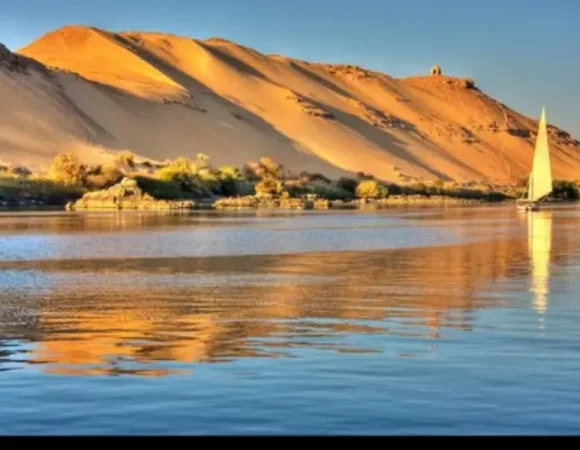
Aswan The Nubian nature of Aswan lends a striking colorful and musical touch to its Ramadan. Iftar is followed by moves and music on the riverfront on the Nile.
Are Tourist Sites Crowded or Quiet During Ramadan?
The period of Ramadan sees major archaeological sites and museums operating at reduced visitor numbers during morning hours because local residents prefer to stay home until their nighttime events begin.
Ramadan brings reduced international tourist presence which creates less crowded conditions at the Pyramids of Giza and the Egyptian Museum and the temples of Luxor and other important tourist sites.
The trade-off between two options results in some locations having shorter business hours which makes it necessary to check schedule information before visiting. The local residents and tourists start to gather at Iftar time when the day reaches its end. The Ramadan period provides an excellent opportunity to explore Egypt's most popular historical sites because it avoids the typical tourist congestion.
Don’t Miss These Cultural Highlights Only Seen During Ramadan
The special cultural practices of Ramadan in Egypt create authentic experiences that visitors can only experience during this specific time period.
The Iftar cannon fire operates as a ceremonial cannon which cities across Egypt use to announce sunset time and permit Muslims to break their daily fast. The experience of hearing and seeing this Egyptian moment in person creates an exciting feeling which captures the essence of Egyptian culture.
During Ramadan, Sufi tanoura dance shows present whirling dervish performances which showcase men spinning in colorful skirts at various locations including Al-Ghouri Complex in Islamic Cairo.
The Egyptian Ramadan drama series which visitors watch with local people, provides a unique cultural experience that showcases modern Egyptian life and traditional Egyptian humor to viewers.
The Islamic Cairo street vendors and Shubra street vendors sell hand-painted glass lanterns, which serve as traditional keepsakes that help people take part in ongoing cultural practices.
Tarawih prayers at Al-Azhar: The massive nightly Tarawih prayers at Al-Azhar Mosque — one of the oldest universities and mosques in the world — draw enormous crowds and create an atmosphere of rare collective spiritual intensity.
Conclusion
Ramadan in Egypt is far more than a period of fasting. It is a month-long festival of community, generosity, spirituality, and cultural pride that transforms one of the world’s most historically rich countries into something even more extraordinary.
For travelers willing to embrace the altered rhythms of daily life, the rewards are immense: extraordinary food, unforgettable evenings, genuine hospitality, and a deeper understanding of Egyptian culture than any museum or guidebook can provide.
The celebration of Ramadan in Egypt is, without question, one of the most remarkable human experiences that the modern world still has to offer. If you have the opportunity to visit during this holy month, do not hesitate — go, eat, listen, and let Egypt show you what it means to truly celebrate.
FAQ
Can You Still Explore Egypt’s Top Attractions During Ramadan?
Yes , all major sites including the Pyramids, Egyptian Museum, and Luxor temples remain open, and mornings are often less crowded than usual
Will Ramadan Affect My Egypt Tour?
Expect some adjusted hours and quieter days, but richer evenings, extraordinary hospitality, and unique cultural experiences you cannot find at any other time of year
When is Ramadan in Egypt?
In 2026, Ramadan in Egypt runs from Wednesday, February 18 to Thursday, March 19, with Eid al-Fitr celebrated on Friday, March 20.