Is Egypt Worth Visiting?
Egypt is much worth visiting because, for every individual, there is a reason or an interest. Here are some of them:- History and Old Monuments
- The Pyramids of Giza: These are one of the Seven Wonders of the Ancient World and are worth visiting.
- Temples and Tombs: From Karnak Temple at Luxor, through the Valley of the Kings, all the way to Abu Simbel, ancient architecture and art are at their zenith.
- Cairo's Museums: The Grand Egyptian Museum (GEM) and Egyptian Museum both have perhaps the most interesting artifacts in the world, as well as treasures from the tomb of King Tutankhamun.
- Cultural Experiences
- Islamic Cairo: Al-Azhar Mosque, the Citadel, and crowded bazaars like Khan El Khalili are great places to visit for a local experience.
- Coptic Cairo: Part of the rich Christian heritage of Egypt, like The Hanging Church and the Coptic Museum.
- Bedouin and Nubian Culture: Discover the customs of Egypt's various communities.
- Natural Beauty
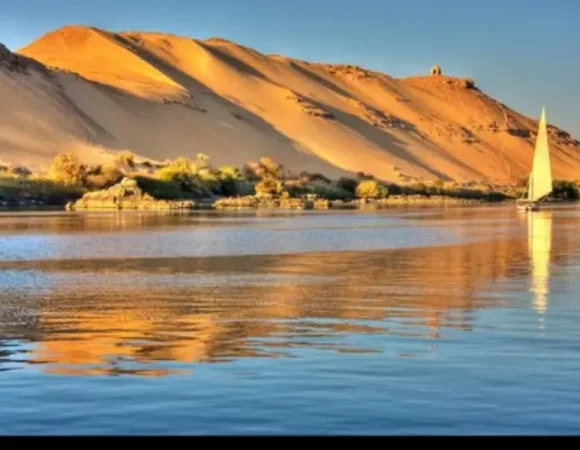
- Nile River Cruises: The Nile has some very breathtaking views and ancient destinations when cruised down.
- The Red Sea: Sharm El Sheikh and Hurghada are ideal venues for snorkeling, diving, and just basking in the sun on unblemished beaches.
- White Desert: An incredible mecca of adventure and a heaven for nature lovers.
- Cheap Travel
- Warm Hospitality
Essential Things To Know Before Going To Egypt
Best Time to Travel- October to April: The weather is much cooler and sight-seeing and outdoor activities are ideal.
- June-Sept. Summer: Midday excursions during the hottest hours of the day should be avoided, especially in the southern areas of Luxor and Aswan.
- Dress Modestly: especially in rural areas, mosques, and religious sites. Bring a shawl for head-covering in mosques for women.
- Greetings: Salutation with "Salam Alaikum" (peace be upon you) is a respectful way to say hello to the local people.
- Public Behavior: Open display of affection is disapproved.
- Water: Drink and brush teeth with bottled water. Avoid ice in drinks unless it's from a trusted source.
- Food: Eat the local cuisine but take street food with caution so as not to wind up with a stomach problem.
- Vaccination: Recommended vaccines before travel (Hepatitis A, Typhoid).
- Travel Insurance: Need for emergency use or unexpected situations.
Do You Need A Visa?
- Types of Tourist Visa
- Visa-Requiring Countries
- Special Conditions
- Required Documents
- Check Your Eligibility
Payment And Currency In Egypt
- Currency of Egypt
- Exchange Rates and Conversion
- Payment Methods
- ATMs
- Culture Regarding Tipping
- Bargaining in Markets
- Things Not to Do
Best Way To Visit Egypt As A Tourist
Prepare Your Travel Plan: Cairo: The Pyramids, Sphinx, Egyptian museum, and Khan El Khalili. Luxor & Aswan: Valley of the Kings, temples (such as Karnak and Abu Simbel), and a Nile cruise. Red Sea: Snorkeling and beaches at Sharm El Sheikh or Hurghada. Wilderness: Tour the white desert and siwa oasis. Transport: Domestic flights for longer distances. Nile cruises for Luxor-Aswan. Uber/careem or taxis in cities. Best time to visit: October to April (cooler weather). Hotels: Luxury: Marriott Mena House, Sofitel Legend Old Cataract. Budget: hostels, boutique hotels, or Airbnb. Guides & Tours: Hire a licensed guide or join group tours for historical sites. Essentials: Wear modest clothes, sunscreen, and drink bottled water. Keep cash for tips and small purchases. Combine Experiences: well-rounded travel adds history, culture, adventure, and relaxation!Best Way To Visit Egypt For The First Time
- Time to Plan
- Pick the Spots to Visit
- Cairo: where the Pyramids of Giza are found with the Sphinx, Egyptian Museum, and its bustling bazaars such as Khan El Khalili.
- Luxor and Aswan: Valley of the Kings, Karnak Temple, and sailing the Nile in a felucca.
- Alexandria: the historical city boasts, among others, the Qaitbay Citadel, the Bibliotheca Alexandrina, and the Mediterranean feel.
- Red Sea Resorts: relax in Sharm El-Sheikh or Hurghada, famous for their beaches and bloodbath points.
- Siwa Oasis: off-the-beaten-path desert adventures enjoy tranquil beauty.
- Choose between Guided Tours and Independent Travel
- Guided Tours: Excellent for first-timers in overcoming barriers. These would also let one grasp the historical significance. All companies have all-inclusive packages.
- Independent Travel: Ideal if you want one flexible trip to Egypt which has a good transportation network of cheap trains, buses, and flying options available for personal trips.
- Booking Accommodation in Advance
- Transportation Tips
- Domestic Flights: Best mode of travel to cover long distances such as Cairo to Luxor or Aswan.
- Trains: A very cost-effective way of travel is by overnight trains between Cairo and Luxor/Aswan.
- Taxis and Ride Apps: Uber and Careem operate in the major metros.
- Nile Cruises: This popular form of travel allows one to enjoy the scenery while traveling to Luxor and Aswan.
- Learn Basic Arabic Phrases.
Best Way To Visit Egypt For Solo Travelers
1- Join Group Tours and Activities Day Tours: Numerous companies offer group tours to famous places like the Pyramids of Giza, the Egyptian Museum, temples in Luxor, and Aswan. Nile Cruises: This type has much to offer in terms of meeting other tourists: Temples such as Kom Ombo and Edfu can be reached over several days of tours. Social Events include things like cooking classes, cultural workshops, or desert safaris while looking to meet new people. 2- Choose Solo Friendly Destinations Cairo: This beautiful place has all the basics for tourists, such as visiting the Pyramids, touring the Khan Eli Khalili Bazaar, propagating history through Coptic Egypt, and Islamic quarters. Luxor and Aswan: Sights of antiquity, temples and mausoleums. Individual tourists can join a tour group under the small category which does not involve many people, so easy access. Dahab: Chill beach town meaning having world class snorkeling and diving-perfect for solo adventurers. Alexandria: Explore the Mediterranean charm with visits to the Qaitbay Citadel and the Bibliotheca Alexandrina. 3- Stay in Solo-Friendly Accommodations Hostels: Great at meeting other travelers, especially at Cairo and Luxor. Guesthouse: Cheap and rather comfy, in a sense, having contact with a local host. Nile View Hotels: These kinds of hotels resonated in Luxor and Aswan as ones to be sought after for solo travel as far as relaxing and sightseeing. 4- Transportation Domestic Flights: Fast as well as convenient travel means to long destinations e.g. Cdia-Aswan. Trains: It's better to take first-class or sleeper trains for nice, comfortable, and safe traveling. Public Transport: Longer route-buses, mini buses not much chaothic. 5- Pack Seriously Comfortable Clothes: Lightweight Truths Understand Fit for Culture-breathing-to-the-outdoor, movement-any-direction, free style. Shoes: Strong walking shoes for site visits, casual sandals for outside. Accessories: Sunscreen, a hat and a reusable water bottle for extremely hot days.As A Local What Is The Best Way To Visit Egypt?
- Travel Off-Peak: Visit between October and April for cooler weather.
- Explore Hidden Gems: Avoid the tourist traps and discover places like Al-Muizz Street, Dahab, and Siwa Oasis.
- Travel Public: Take buses, trains, or even the microbuses to travel.
- Economical Accommodation: Stay at local guesthouses, hostels, or rent apartments.
- Local Food: Cheap street food like koshari, taameya, and ful.
- Cultural Respect: Dress modestly, with respect to the vicinity you're in, more so rural areas or religious places.
- Discounts: Use your Egyptian ID for a reduction on entering more tourist attractions.
- Spontaneous Travel with a-weekend Adjourning Travelling: Go visit somewhere like Sinai or Fayoum.
What Not To Miss When Visiting Egypt?
Your trip to Egypt will not be complete without experiencing these classic activities or secret spots:- Pyramids of Giza & Sphinx (Cairo)-These are the exclusive symbols of Egypt's ancient history.
- Egyptian Museum (Cairo)- Houses found marvelous artifacts, including those of Tutankhamun's treasures.
- Karnak Temple & Valley of the Kings: Luxor- Tombs and temples of ancient past that go along the Nile.
- Abu Simbel (Aswan)- The huge temples erected by Ramses II that were cut right into a rock.
- Nile Cruise (from Luxor to Aswan)- Scenically cruise through the land's most famous sights.
- Siwa Oasis- An oasis in the desert where you can find hot springs and ancient ruins.
- Red Sea Resorts (Sharm el Sheikh or Hurghada)- Beautiful beaches for diving or relaxing.
- Bibliotheca Alexandrina and Qaitbay Citadel of Alexandria- Uncover rich history along the coast of Mediterranean into Egypt.
- Coptic Cairo & Hanging Church, the exploration of the Christian legacy of Egypt.
- Traditional Markets (Khan El Khalili, Cairo)- Shopping souvenirs while mingling with cultural life.
What Are The Parts Of Egypt That Are Not Recommended For Travel?
Traveling to Egypt is most enjoyable, yet there are quite a few parts that are not advisable for tourists, this is due to safety reasons. North Sinai Peninsula: The area has been experiencing instability due to wars and terrorist activities leading to, especially, the border with Gaza. The Egyptian government has declared areas of North Sinai as off-limits to tourists. South Sinai: Though an attraction such as Sharm El Sheikh is mostly safe, sometimes there have been security issues elsewhere in South Sinai. Visitors are warned to keep to the main tourist regions and keep eyeing for news regarding the security status of doing so. Western Desert: Some far-flung parts, particularly on the Libyan border, are known to be sporadically insecure, therefore, it is advisable to avoid going there except with a well-organized and secured expedition that provides proper guidance. Border Areas with Sudan: The areas adjacent to the South border with Sudan are subject to instability from conflicts in the region. Therefore tourists will do well to stay away from this southern border. Western Oasis: Though these regions generally have peaceful as opposed to bandit-free areas that are more isolated from reports, additional precautions should be taken when traveling into the desert country. Read about: Top safe cities in Egypt for American tourists' adventureWhat Is The Best Time To Visit Egypt?
The best time to travel to Egypt is when the weather is extremely cold; during the months of October through April. That is really it. Weather: It sometimes gets really hot during summer; from May to September, dry winds blow over Cairo and Luxor pushing temperatures above 40°C (104°F) in several parts. This period, cooler from the temperate, ranged from 18°C to 25°C (64°F to 77°F) pleasant for sight-seeing and outdoor activities. Never-the-less, getting cooler months would be highly appreciated for visiting areas such as Pyramids, Luxor, and Aswan, as summer heat makes visiting those parts much more tiring and sometimes hazardous due to high temperatures. In terms of tourist volume, the high winters (especially December and January) would be the most crowded with tourist activities, although not compared to-the-high summer months, namely June and July. They would be just the right months if you want fewer crowds, like when you choose March to April or October. Nile Cruise: You plan to take a Nile cruise; the cooler months have a more comfortable sailing condition. In summary, October to April is the best period to visit Egypt to be at ease, although without a few crowds (not to mention holiday periods), yet fruitful travel experiences.How Many Days Do I Need In Egypt?
The number of days that you will require to stay in Egypt will depend on the destinations you intend to go and the pace of your trip as well. Here is a generalized guide based on different travel itineraries. Short Trip (4-5 days): If time is limited, concentrate on the most important sites in Cairo and Luxor. Suggested itinerary below:- Day 1-2: Cairo (Pyramids of Giza, Egyptian Museum, Khan El Khalili Bazaar)-Cairo.
- Day 3-4: Luxor (Valley of the Kings, Karnak Temple, Luxor Temple).
- Day 5: Back to Cairo or tour to Alexandria depending on time available.
- Medium Trip (7-9 days):
- 1-2: Cairo (Pyramids, Egyptian Museum, and local stuff).
- 3-4: Luxor (Valley of the Kings, Karnak, Luxor Temple).
- 5-6: Aswan (Philae Temple, Abu Simbel excursion).
- 7-8: Nile Cruise (from Aswan to Luxor, stopping along the way at places such as Edfu and Kom Ombo).
- 9: Cairo return.
- Day 1-2: Cairo (Pyramids, Egyptian Museum, and Islamic Cairo).
- Day 3-4: Alexandria (Montaza Palace, Roman ruins, and the Alexandria Library).
- Day 5-6: Luxor (Valley of the Kings, Karnak Temple).
- Day 7-8: Aswan (Philae Temple, Abu Simbel, Nubian Museum).
- Day 9-10: Nile Cruise (Aswan to Luxor).
- Day 11-12: Red Sea (Sharm El Sheikh or Hurghada for relaxation and snorkeling).
- Day 13-14: Optional day trips or more exploration in Cairo or surrounding areas.
Traveling In Egypt With A Travel Agency Vs Traveling In Egypt Without A Travel Agency
Traveling with a Travel Agency Advantages: Most importantly, you save your precious time and efforts in planning the trips with all the extras of accommodation, movement, guided tours, and itinerary arrangement. Local Knowledge: Travel agencies also seem to have their guides who are highly skilled in Egyptian history, culture, and their local customs. Safety: Traveling in a group with a trusted agency may create an illusion of security when you are not familiar with the region. Well-trained agencies are up-to-date with safety information. Streamlined Transport: Agencies arrange all means of transportation between destinations, which is quite useful for Egypt, especially since it has vast desert stretches. Group Discounts: Most agencies have access to special rates and deals; thus, there are chances that you will save more from accommodation, tours, and activities. Worry-free planning: An agency will ensure that everything is in place for you if you are short of time or do not want to handle the logistics.Challenges:
Rigidity: Group tours or itineraries that are pre-planned tend to be any little less flexible, making it difficult for you to discover in pace with your own adaptations. Cost: A premium is put on every travel agent's services, rendering a trip with them not much less expensive than planning your trip. Group Chemistry: The whole experience may be ruined by the choices and pace of a group tour when spending your time in a destination, as all these factors can badly reflect on your enjoyment. Traveling Alone- It is: Freedom and Flexibility: You have the freedom to arrange your schedule without group activities or fixed times.
- Cost-effective: You have a higher measure of budget control without an added fee travel agency, which can save you money on accommodations, meals, or activities by making your choices.
- Customized Travel: It allows you to design your travel experience around what interests you most, such as ancient sites, relaxation on the Red Sea, or a deeper understanding of local culture.
- Off-the-Beaten Track: It allows you not to have an itinerary but to stumble upon treasures and less touristy sites that may not be included in mainstream tours.
- Planning is Hard: It is a real task planning everything about a travel destination like accommodation, transportation services, and tours. Traveling in a country like Egypt, with such a poor travel infrastructure, can sometimes be complicated.
- Language Barriers: Many people in those tourist areas speak English. In those remote areas or just local people, communication may become challenging.
- A travel agency bridges this gap by providing locals to guide and translate your messages.
- Tourist Safety: Generally speaking, Egypt is a host for many tourists. Some areas are quite unpredictable, so caution must be exercised and information must be sought by tourists who travel without the aid of a travel agency.
- Transportation Problems: Traveling around places such as Luxor and Aswan can be really tricky. Public transport isn't reliable, and taxis can end up being very expensive or unreliable without doing prior arrangements.